 TR
TR  EN
EN  DE
DE 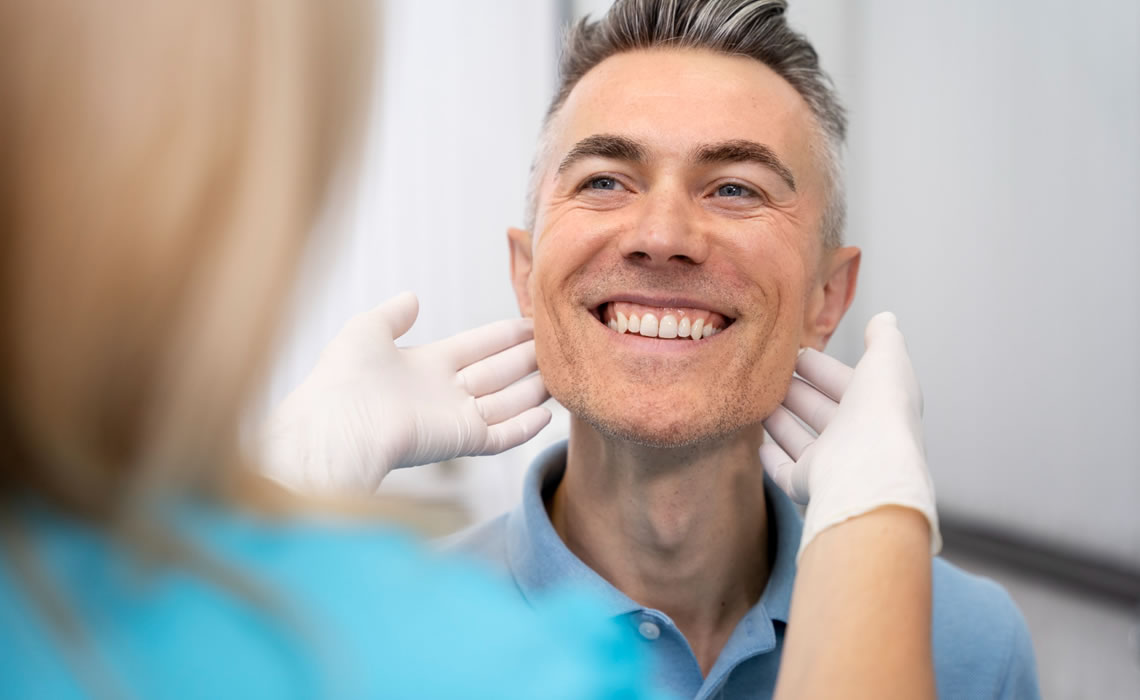 Comprehensive oral rehabilitation requires a delicate balance of biological engineering and aesthetic mastery, especially when comparing full-arch modalities like all on four with extended six-implant configurations. When complete edentulism or severe terminal dentition compromises a patient’s bite, finding a permanent, fixed alternative to loose plates becomes imperative. While the all on four concept provides an established foundation by anchoring full bridges on four strategically angled posts, expanding the arch support to six implants creates broader load distribution across the entire jawline. By placing six titanium posts throughout the anterior and posterior alveolar ridge, clinicians can secure a full dental bridge with exceptional rigidity and natural biting power. Patients evaluating full-arch reconstruction often compare the biomechanics of all on four against six-implant systems to understand which structure best fits their unique bone volume, chewing forces, and aesthetic goals. Discover how cutting-edge digital diagnostics, immediate loading protocols, and customized prosthodontics in Istanbul deliver a healthy, durable, and lifelike smile that lasts for decades.
What Is the All on Six Treatment and How Does It Contrast with All on Four?
The All on Six concept is an advanced implantology protocol engineered to restore a completely toothless dental arch using six endosteal titanium fixtures. These fixtures serve as artificial tooth roots, distributed uniformly across the maxillary or mandibular bone to support a full-arch fixed prosthesis containing twelve to fourteen teeth. In comparison to all on four configurations, adding two extra posterior implants creates a broader foundation that significantly minimizes unsupported prosthetic extensions known as cantilevers.
The core clinical difference between the two systems lies in load distribution. While all on four angles posterior implants up to 45 degrees to circumvent localized bone deficiencies in the sinus or mental nerve zones, six-implant setups place fixtures into the premolar and molar regions whenever adequate bone permits. This creates greater structural rigidity, reducing lateral bending forces across the bridge framework during aggressive chewing cycles.
What Are the Biomechanical Advantages of Six Implants over All on Four?
- Superior Chewing Force Distribution: Six anchoring posts distribute vertical and lateral occlusal pressure evenly across dense cortical and spongy trabecular bone.
- Reduced Cantilever Length: Placing implants further back into molar positions eliminates long, unsupported distal prosthetic levers that can loosen bridge screws.
- Enhanced Structural Redundancy: If a single post encounters biological complications years later, the remaining five fixtures can often support the bridge without immediate framework failure.
- Protection of Underlying Bone: Six points of osseous stimulation trigger sustained osteoblast activity across a wider expanse of the alveolar ridge, preventing localized bone loss.
- Optimal Stability for Heavy Chewers: Patients with broad dental arches or strong jaw muscles receive a firmer mechanical foundation than four-post layouts provide.
Who Is the Ideal Candidate for Six Implants Instead of All on Four?
Determining whether a patient requires six fixtures rather than an all on four arrangement depends heavily on anatomical dimensions, bone density, and functional bite forces. Candidates for six implants generally possess moderate to high residual bone height in both the anterior zone and the posterior premolar regions. This provides sufficient room for standard-length fixtures without encroaching upon the inferior alveolar nerve canal or maxillary sinus cavities.
Patients who exhibit nocturnal bruxism, heavy clenching habits, or high bite forces benefit substantially from the expanded support of six fixtures. Conversely, individuals who have suffered extensive posterior alveolar atrophy—where bone height is under 4 millimeters—frequently discover that an All on Four protocol offers a more practical, graft-free alternative by angling posts around anatomical boundaries.
How Does the Surgical Procedure for Full-Arch Implants Work?
Pre-Operative 3D Imaging and Guided Planning
The surgical workflow begins with ultra-low-dose Cone Beam Computed Tomography (CBCT) scanning. Virtual planning software maps bone density in three dimensions, tracing nerve pathways and sinus floors to generate millimeter-accurate computer-guided surgical templates.
Minimally Invasive Guided Placement
Under local anesthesia or conscious IV sedation, any remaining non-restorable roots are gently removed. Using 3D-printed guides, six titanium fixtures are placed into designated osteotomies, achieving high insertion torque values essential for initial primary stability.
Multi-Unit Abutment Connection and Digital Scanning
Angled or straight multi-unit abutments are torqued onto each implant post to align restorative screw access channels. High-speed intraoral optical wands scan the abutments, delivering precise digital files directly to the on-site laboratory.
Same-Day Provisional Bridge Delivery
Within hours of surgery, a rigid, fiber-reinforced temporary acrylic bridge is secured onto the abutments, enabling the patient to smile, speak, and chew soft foods comfortably on the day of treatment.
Can You Receive Immediate Same-Day Teeth with Six Implants?
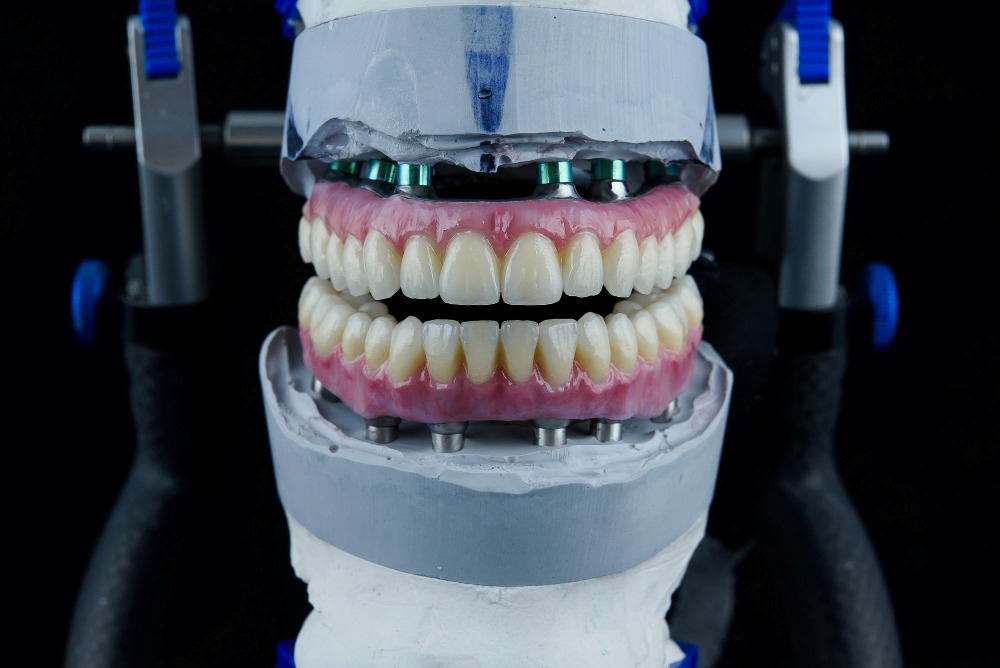
Immediate provisional loading is a cornerstone of modern full-arch implantology, providing functional and psychological benefits right after surgery. In an all on four protocol, achieving at least 35 to 45 Ncm of torque on every post is critical because only four anchors absorb all functional forces. With six implants, the cross-arch splinting effect is even more rigid, creating exceptional structural stability across the entire arch.
This rigid splinting prevents microscopic movement at the bone-implant interface from exceeding the critical threshold of 50 to 100 microns during the first eight to twelve weeks of healing. Provided patients follow a soft-food diet during this phase, bone cells adhere securely to the titanium surface without disruptive micro-motion, allowing immediate provisional bridges to function safely throughout osseointegration.
Comparing All on Four, All on Six, and Removable Prosthetics
Choosing an ideal full-arch tooth replacement involves weighing structural stability, surgical requirements, long-term maintenance, and overall treatment duration. The comparison below outlines how four-implant, six-implant, and traditional removable approaches contrast:
| Restoration Criterion | All on Four Protocol | All on Six Protocol | Removable Acrylic Dentures |
|---|---|---|---|
| Primary Bone Requirement | Minimal to moderate anterior bone | Moderate to substantial posterior bone | Minimal bone (rests on gum tissue) |
| Sinus Grafting Necessity | Rarely needed (tilted posterior posts) | Occasionally required for molar sites | None required |
| Chewing Efficiency Restored | 90% to 95% of natural capacity | 95% to 100% of natural capacity | 20% to 30% of natural capacity |
| Prosthetic Fixation Type | Fixed screw-retained bridge | Fixed screw-retained bridge | Removable daily with suction |
| Palatal Roof Coverage | Completely open palate | Completely open palate | Fully covered with thick acrylic |
Why Are Zirconia Crowns in Turkey Preferred for Full-Arch Bridges?
The choice of material for your final full-arch restoration plays a major role in its long-term durability and appearance. While early hybrid bridges relied on cast metal frames wrapped in pink acrylic and denture teeth, modern prosthodontics favors monolithic ceramic solutions. Upgrading to custom-milled zirconia crowns in Turkey delivers exceptional fracture resistance alongside natural light translucency.
Monolithic zirconia is non-porous and bio-inert, meaning it will not absorb fluids, stain from coffee, or harbor plaque colonies along the gumline. Its flexural strength exceeds 1,100 megapascals, making it impervious to the micro-fractures that often affect traditional acrylic teeth over years of chewing. Mounted securely on a titanium bar, a zirconia bridge feels smooth, lightweight, and virtually identical to natural enamel.
When Is Bone Grafting Required for Six Implants Instead of All on Four?
Bilateral Sinus Elevation in the Posterior Maxilla
When the upper jaw has experienced vertical bone loss beneath the maxillary sinuses, placing six straight implants often requires an internal closed lift or lateral window bone graft to create a stable osseous foundation.
Horizontal Guided Bone Regeneration (GBR)
In cases where prolonged edentulism has narrowed the ridge width, particulate bone minerals shielded by collagen membranes are applied to broaden the alveolar ridge around the implant shoulders.
Alternative Angled Placement to Avoid Grafting
If extensive grafting is contraindicated due to medical history or personal preferences, pivoting to an all on four strategy allows surgeons to bypass low-bone zones entirely by placing angled fixtures into native anterior bone.
Why Choose a Dental Implant in Turkey for Complete Arch Reconstruction?
Over the past decade, Istanbul has grown into an international center for complex dental rehabilitation, attracting thousands of patients from the UK, the United States, and across Europe. Choosing a dental implant in Turkey allows individuals to access board-certified maxillofacial surgeons and prosthodontists who utilize globally recognized implant systems at highly competitive rates.
Turkish surgical centers integrate state-of-the-art facilities, including low-radiation 3D CBCT imaging, 5-axis CAD/CAM milling units, and dedicated surgical suites. Backed by dedicated medical tourism coordinators, private transfers, and luxury accommodation packages, international patients receive comprehensive, coordinated restorative care without the lengthy waiting lists typical of Western healthcare systems.
Full-Arch Restorative Cost Guide: 2026 International Price Index
Comparing restorative options across borders reveals substantial price variations for full-arch procedures. Lower laboratory costs, competitive operating expenses, and favorable exchange rates allow Turkish clinics to provide genuine European and Swiss implants with significant savings. The comprehensive breakdown below outlines typical full-arch restorative costs for 2026:
| Restoration Procedure (Per Arch) | United Kingdom (£) | United States ($) | Turkey (€) |
|---|---|---|---|
| All-on-4 Protocol (Surgical Placement + Temp Bridge) | £7,500 – £11,000 | $12,000 – $18,000 | €1,800 – €2,400 |
| All-on-6 Protocol (Surgical Placement + Temp Bridge) | £9,500 – £14,000 | $15,000 – $22,000 | €2,400 – €3,200 |
| Final Monolithic Zirconia Bridge Upgrade | £3,500 – £5,500 | $5,500 – $9,000 | €1,200 – €1,600 |
| Complete Single Arch (All-on-6 + Final Zirconia) | £13,000 – £19,500 | $20,500 – $31,000 | €3,600 – €4,800 |
| Full Mouth Restoration (Upper & Lower All-on-6) | £25,000 – £38,000 | $39,000 – $60,000 | €7,000 – €9,400 |
How to Maintain Impeccable Hygiene Under a Full-Arch Bridge
- Use Specialized Bridge Floss Daily: Guide stiff-ended floss or expanding superfloss underneath the bridge to clean around every abutment collar where plaque collects.
- Incorporate High-Pressure Oral Irrigators: Direct a water flosser along the gumline on a moderate setting to sweep away trapped food particles and stimulate soft tissue health.
- Use Soft Interdental Brushes: Gently pass plastic-coated interproximal brushes between the bridge base and gums to dislodge persistent bacterial biofilm.
- Choose Non-Abrasive Pastes: Brush with gentle fluoride toothpastes to keep polished zirconia surfaces smooth, preventing surface scratches that harbor bacteria.
- Attend Routine Maintenance Visits: Schedule professional cleanings every six months so clinicians can evaluate screw tightness, polish surfaces, and inspect tissue attachments.
How Long Does a Full-Arch Fixed Implant Restoration Last?
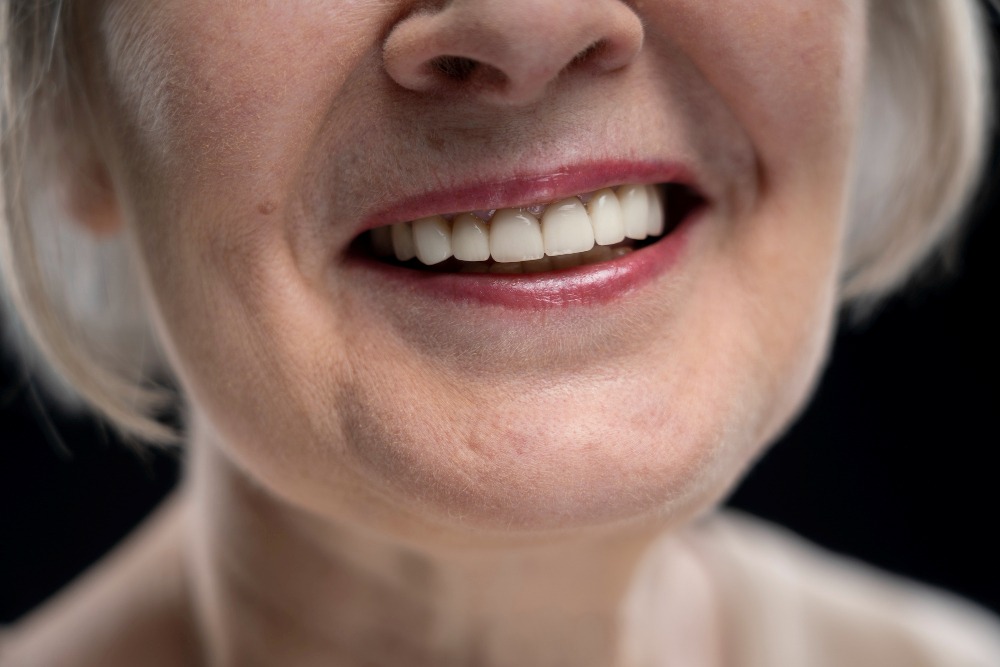
Extensive clinical studies tracking full-arch restorations over fifteen to twenty years report high fixture survival rates, consistently exceeding 96% to 98%. Because the titanium posts integrate directly into the jawbone, they can remain functionally stable for a lifetime when maintained with proper hygiene and routine dental checkups.
Longevity for the prosthetic bridge itself varies by material. Traditional acrylic designs may require tooth replacement or resurfacing after seven to ten years due to wear, whereas monolithic zirconia frameworks routinely last fifteen to twenty years or longer without significant surface deterioration. Patients who grind their teeth at night should wear a custom occlusal nightguard to cushion the bone-implant interface from excessive biting pressure.
What Are the Clinical Risks and Post-Operative Considerations?
Early Loss of Primary Stability
If an implant fails to integrate due to localized infection, micro-motion, or poor bone density, it can be gently removed, the site allowed to heal, and a replacement post placed without compromising the overall reconstruction.
Peri-Implant Mucositis and Peri-Implantitis
Similar to gingivitis around natural roots, plaque buildup along the abutment collar can trigger soft tissue inflammation and bone loss, underscoring the necessity of diligent daily hygiene.
Mechanical Prosthetic Complications
Over years of heavy chewing, occlusal screws can occasionally loosen or minor ceramic chipping can occur, though these issues can typically be addressed in-clinic without disturbing the underlying integrated posts.
Why Choose Klinik 29 in Istanbul for Your Full-Arch Treatment?
Klinik 29 in Istanbul provides world-class surgical precision and aesthetic care for patients seeking comprehensive full-arch rehabilitations. Our maxillofacial surgeons and prosthodontists utilize advanced low-radiation CBCT imaging, dynamic surgical templates, and digital smile design platforms to place every fixture with sub-millimeter accuracy.
We work exclusively with globally recognized, lifetime-warranted implant systems and maintain an on-site digital laboratory to mill custom bridges from premium monolithic zirconia. Backed by transparent, itemized quotes, multilingual patient coordinators, and structured post-operative follow-up, Klinik 29 delivers dependable full-arch care that restores stable chewing function, facial balance, and lifelong smile confidence.
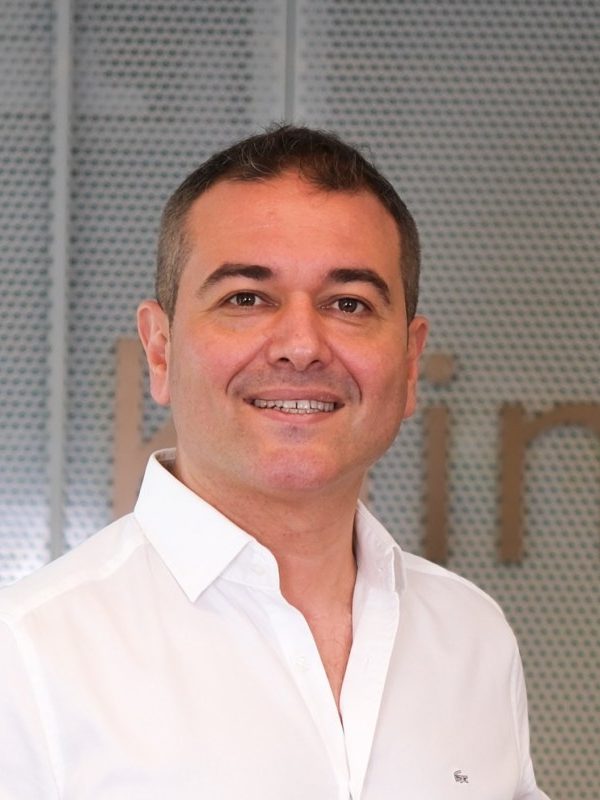
Dr. Dt. Kıvanç Türkoğlu
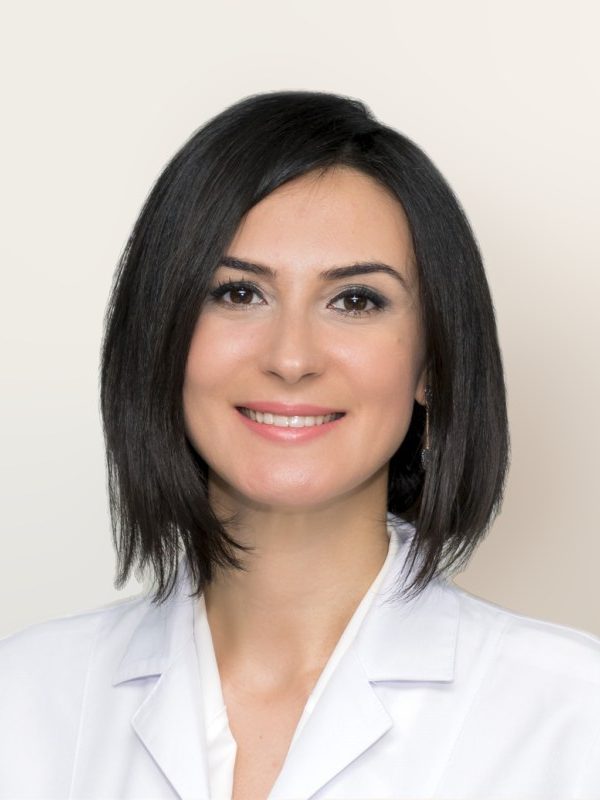
Dr. Dt. Pınar Demir Türkoğlu
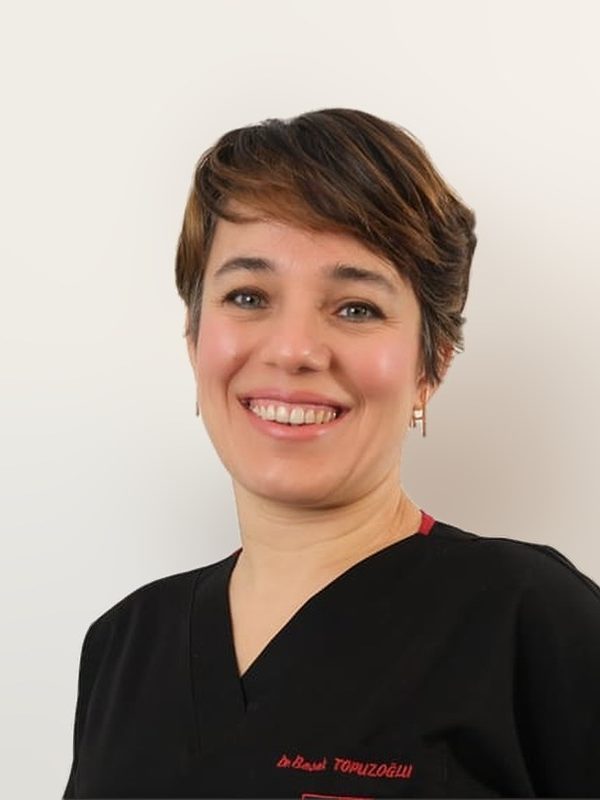
Dr. Başak Topuzoğlu
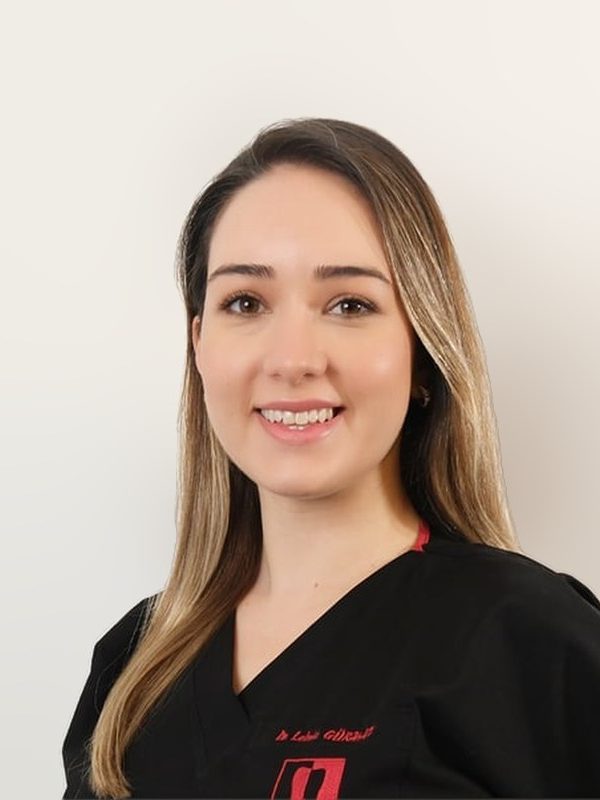
Dr. Lebriz Yalçın Gürhan
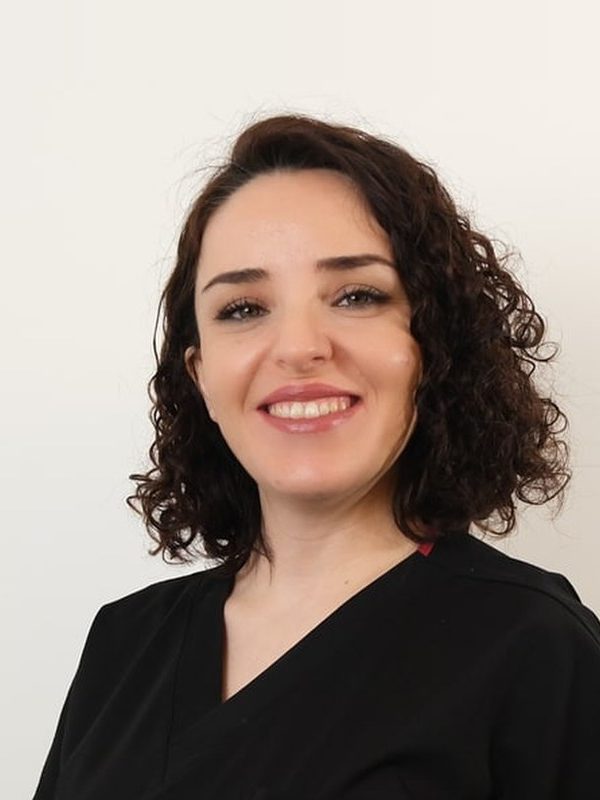
Dr. Sinem Kösem Mihmar
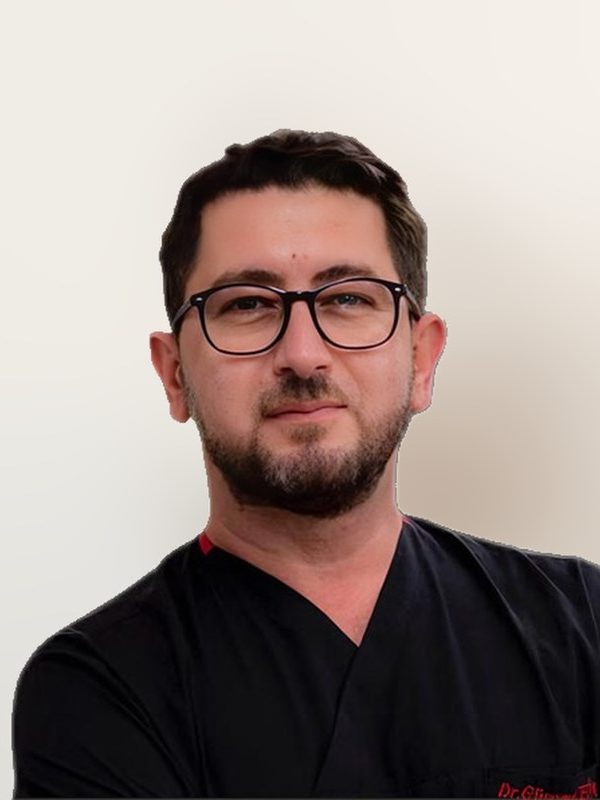
Dr. Dt. Gürcan Çetin