 TR
 EN
 DE
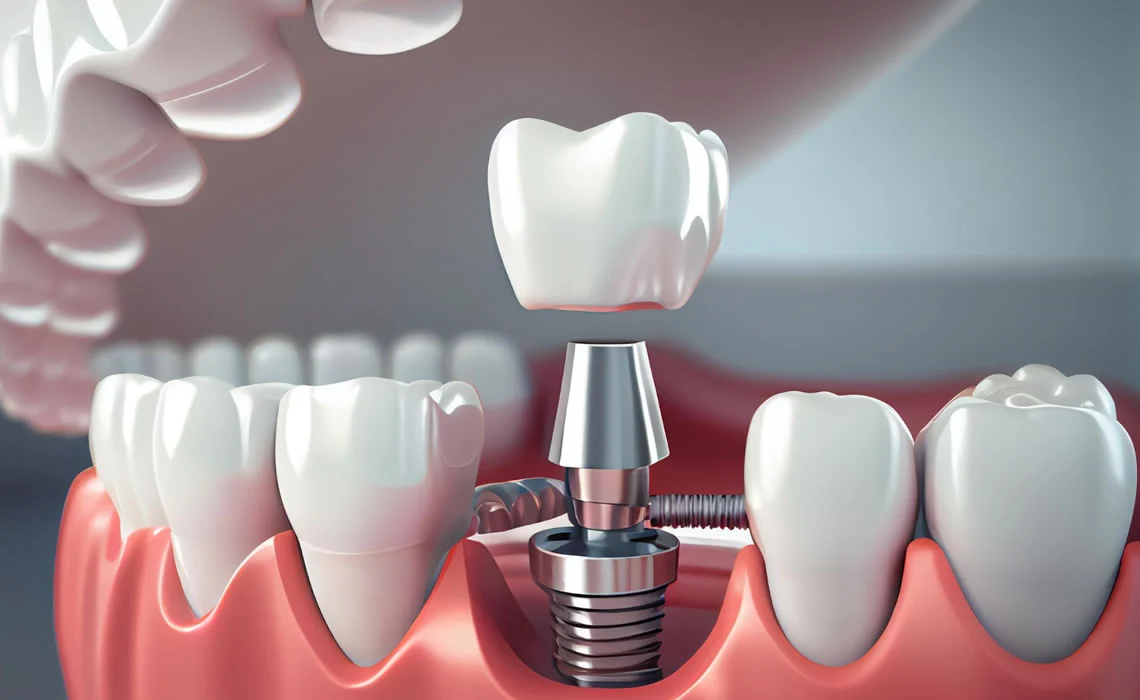 Modern oral rehabilitation has transformed how patients address tooth loss, with dental implants now an established treatment in contemporary prosthodontics. Premature tooth loss from deep caries, periodontal detachment, or physical trauma triggers a destructive chain reaction: alveolar bone resorbs, facial soft tissues collapse inward, and adjacent teeth tilt out of alignment. While traditional dentures and conventional bridges provide surface-level coverage, they fail to stimulate the underlying basal bone. A root-form dental implant in Turkey addresses this deficiency by inserting a bio-inert titanium or zirconia fixture directly into the mandibular or maxillary bone architecture. Through biological osseointegration, the living bone fuses with the microscopic porous surface of the screw, creating an unyielding anchor that behaves identically to an organic tooth root. Across Istanbul, dental implant treatments attract international patients seeking guided surgery, European implant systems, and dental restoration.
What Is a Modern Dental Implant in Turkey and How Does It Work?
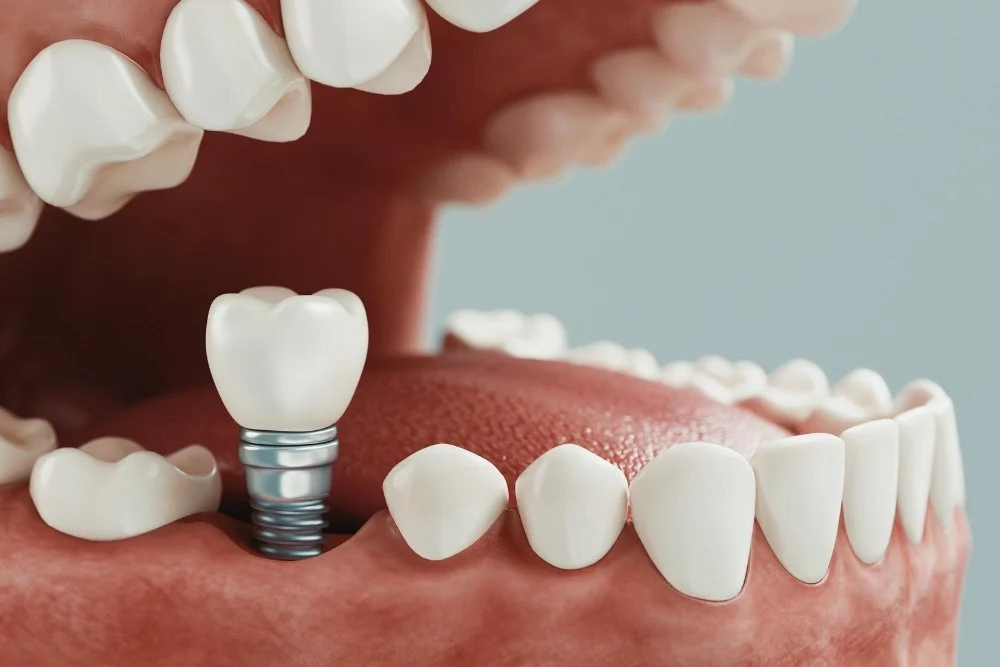
A root-form implant is a precision-engineered surgical device designed to substitute for an absent tooth root within the alveolar ridge. The restoration comprises three distinct mechanical parts: the endosteal fixture, the transmucosal abutment, and the final custom prosthetic crown. The threaded fixture is surgically placed into a carefully prepared osteotomy site, where its microscopic surface texture induces immediate platelet activation and osteoblast migration.
Over several weeks, bone trabeculae intertwine with the fixture, establishing secondary mechanical stability. Once firm osseointegration is confirmed, the connecting abutment is torqued into place, penetrating the gingival margin to support the crown. This structural configuration ensures that chewing forces travel straight down into the jawbone, preserving native bone levels and ensuring your new restoration looks and functions just like natural dentition.
Why Do International Patients Choose a Dental Implant in Turkey?
- Internationally Accredited Oral Surgeons: Clinics feature board-certified maxillofacial surgeons and prosthodontists trained in advanced bone grafting and guided implantology.
- Digital Infrastructure: Treatments utilize in-house 3D CBCT imaging, dynamic computer-guided surgical templates, and high-speed CAD/CAM milling units.
- Direct Access Without Waitlists:
Which Implant Systems Are Available?
Implant systems from manufacturers in Switzerland, the USA, and South Korea are available.
What Are the Primary Surgical Techniques for a Dental Implant in Turkey?
Surgical methods vary based on the extent of edentulism, residual bone height, and the patient’s individual aesthetic expectations. For single-tooth replacement, straightforward flapless or minimal-incision protocols allow the surgeon to insert the titanium post with minimal tissue disruption. When a full dental arch has suffered extensive tooth loss, full-arch reconstruction protocols provide fixed, non-removable bridges on strategically tilted fixtures.
Patients with severe bone resorption who wish to bypass multi-stage sinus augmentations can benefit from the All on Four protocol, which positions two straight anterior fixtures and two angled posterior fixtures to maximize cortical bone contact. When jaw dimensions offer greater volume, the All on Six framework introduces two additional posts for enhanced load distribution across the entire arch.
Titanium versus Zirconia: How Do the Dental Implant Materials Differ?
Selecting between commercially pure titanium and monolithic zirconia ceramic is a key clinical decision. Grade 4 and Grade 5 titanium remain the historic benchmark, boasting over six decades of documented scientific data, fracture resistance, and adaptable two-piece configurations that facilitate precise angulation corrections in posterior chewing zones.
Conversely, ceramic zirconia implants provide a 100% metal-free, white-shaded alternative tailored for individuals with ultra-thin gingival biotypes or diagnosed metal hypersensitivities. Because zirconia eliminates dark subgingival shadowing along the gum margin, it provides good aesthetic results in the front smile zone. However, its rigid one-piece structure requires meticulous surgical angulation, making titanium the more versatile option for complex full-arch reconstructions.
How Does Modern Dental Implant in Turkey Therapy Compare to Other Options?
Choosing a suitable tooth replacement requires evaluating treatment timelines, structural durability, bone preservation, and procedural complexity. The comparative framework below highlights the operational differences between implants, bridges, and dentures:
| Comparison Parameter | Root-Form Dental Implant | Tooth-Supported Bridge | Removable Acrylic Denture |
|---|---|---|---|
| Jawbone Preservation | High (Stimulates native trabecular bone) | None (Bone gradually recedes under pontic) | Poor (Accelerates bone ridge resorption) |
| Impact on Adjacent Teeth | Zero impact (Leaves neighbors intact) | Aggressive (Requires grinding enamel) | Moderate (Clasps cause structural wear) |
| Restored Chewing Force | 95% to 100% of natural bite force | 65% to 75% of natural capacity | 20% to 30% (Unstable on gums) |
| Average Clinical Lifespan | 25+ years to a lifetime with care | 8 to 12 years (Prone to recurrent decay) | 5 to 7 years (Requires frequent relining) |
| Maintenance Regimen | Standard brushing, flossing, cleanings | Threaders and interdental brushes | Nightly removal, soaking, adhesive pastes |
How Does the Step-by-Step Surgical Treatment Timeline Unfold?
Pre-Operative 3D Diagnostics and Guided Planning
The journey begins with high-resolution Cone Beam Computed Tomography (CBCT) scanning. Virtual software identifies inferior alveolar nerve paths, maxillary sinus floors, and cortical plate thicknesses, enabling the design of high-precision surgical guides.
Fixture Placement and Osseointegration Period
Under gentle local anesthesia or sedation, the surgeon places the implant fixture into the jawbone. A biological healing period of 8 to 12 weeks for the mandible and 12 to 16 weeks for the maxilla follows, allowing bone to fuse securely to the implant.
Digital Scans, Abutment Torquing, and Crown Fitting
Once healing is complete, an intraoral optical scanner captures the spatial coordinate of the implant via scan bodies. An in-house laboratory mills the custom abutment and monolithic zirconia crown, which are torqued down and sealed to complete the restoration.
What Are the Average Costs of a Dental Implant in Turkey in 2026?
The table below outlines pricing expectations for 2026:
| Procedure Type | Turkey (€) |
|---|---|
| Standard Single Implant (Post + Abutment) | €380 – €550 |
| Swiss Implant System | €650 – €890 |
| Custom Monolithic Zirconia Crown on Implant | €140 – €220 |
| All-on-4 Full Arch Fixed Restoration | €2,400 – €3,600 |
| All-on-6 Full Arch Fixed Restoration | €3,200 – €4,800 |
| Sinus Lift or Guided Bone Regeneration (GBR) | €250 – €450 |
Who Is an Eligible Candidate for Dental Implant Surgery?
Most adults who have lost one or more teeth are viable candidates for therapy. Essential clinical prerequisites include complete skeletal craniofacial maturity, sound periodontal health, and adequate bone density in the planned implant bed. When systemic health concerns are present—such as controlled diabetes, mild hypertension, or a history of cardiovascular disease—cases proceed safely once systemic stability is established.
However, specific contraindications require careful management before moving forward with surgery. Active periodontal disease, current treatment with high-dose intravenous bisphosphonates, ongoing head and neck radiation therapy, and severe unmanaged bruxism can compromise initial implant stability. Heavy tobacco use also impedes microvascular blood flow, which elevates the risk of early implant complications.
When Are Bone Grafting and Sinus Lifts Necessary?
Guided Bone Regeneration (GBR) for Horizontal Ridge Augmentation
When teeth have been missing for years, the alveolar ridge often narrows. Surgeons apply xenograft or allograft mineral granules shielded by resorbable collagen membranes to reconstruct adequate bone width for the implant fixture.
Internal Closed Sinus Elevation (Summers Technique)
When the posterior maxilla lacks 2 to 4 millimeters of vertical height, the surgeon gently elevates the Schneiderian sinus membrane through the implant osteotomy, packing mineral particulate underneath during the same visit.
Lateral Window External Sinus Lift
In cases of advanced maxillary atrophy where bone height is below 4 millimeters, access through a lateral bony window allows the surgeon to lift the sinus membrane and place bone graft material, creating a solid base for future implants.
Combining Implants with Veneers for Comprehensive Smile Makeovers
Complex dental rehabilitations often involve addressing both missing back teeth and worn, discolored, or chipped front teeth. While posterior implants rebuild proper chewing function and preserve vertical facial height, placing ultra-thin porcelain veneers in Turkey on intact front teeth establishes uniform tooth color, natural light translucency, and balanced symmetry.
This combined approach prevents overloading your front restorations. Re-establishing stable molar support with implants protects delicate anterior porcelain shells from excessive shear stress during chewing.
Is the Surgical Dental Implant in Turkey Procedure Painful?
Patients are often surprised by how straightforward the placement procedure feels. The jawbone contains minimal pain-receptive nerve fibers; discomfort during surgery is primarily limited to mechanical vibrations and gentle pressure. Administering modern local anesthetics like articaine or mepivacaine numbs the surgical site.
For patients who experience dental anxiety, conscious intravenous sedation or nitrous oxide creates a calm, relaxed state during the procedure. Post-operative discomfort is typically mild and easily managed with standard over-the-counter pain medications like ibuprofen or paracetamol, alongside ice pack applications for the first 48 hours to minimize local swelling.
How to Prevent Peri-Implantitis and Ensure Long-Term Implant Success
- Daily Interproximal Cleaning: Clean around the implant collar and under prosthetic bridge pontics using specialized bridge floss or interdental brushes coated with chlorhexidine gel.
- Water Flossing: Use an oral irrigator on a medium pressure setting to gently flush food particles and anaerobic bacteria from peri-implant pockets without damaging soft tissue attachments.
- Non-Abrasive Cleaning Pastes: Avoid abrasive whitening toothpastes containing coarse charcoal or pumice, which can scratch prosthetic zirconia and retain bacterial plaque.
- Custom Nightguards for Clenching: Wear a custom-fitted occlusal nightguard if you grind your teeth at night to protect your fixtures from micro-fractures and mechanical overload.
- Regular Professional Cleanings: Schedule professional cleanings every six months with carbon-fiber or titanium-tipped hand instruments to safely remove mineralized tartar.
What Are the Risks and Complications Associated with Dental Implants?
Dental implant placement maintains an impressive clinical success rate exceeding 95% to 98% in healthy patients. Nevertheless, biological and mechanical complications can arise if treatment protocols or aftercare instructions are overlooked. An early risk involves failed osseointegration, where the fixture fails to integrate with the surrounding bone due to micro-motion, early infection, or inadequate bone density.
A later concern is peri-implantitis, an inflammatory condition similar to periodontitis caused by plaque buildup around the collar. If untreated, it can lead to localized bone loss. Mechanical issues—such as screw loosening, framework chipping, or crown debonding—can also occur under excessive force, though these can usually be repaired without removing the underlying integrated implant post.
Why Choose Klinik 29 in Istanbul for Your Dental Implant in Turkey?
Klinik 29 in Istanbul combines surgical precision, patient-centered care, and modern clinical technology. Our oral surgery team utilizes low-radiation 3D CBCT diagnostics, virtual implant planning software, and precision surgical guides to plan fixture placement around delicate anatomical structures like nerve bundles and sinuses.
We work with established implant systems and fabricate custom CAD/CAM prosthetics in our dedicated on-site laboratory. Backed by transparent, itemized treatment quotes and structured post-operative follow-up, Klinik 29 provides implant treatment.
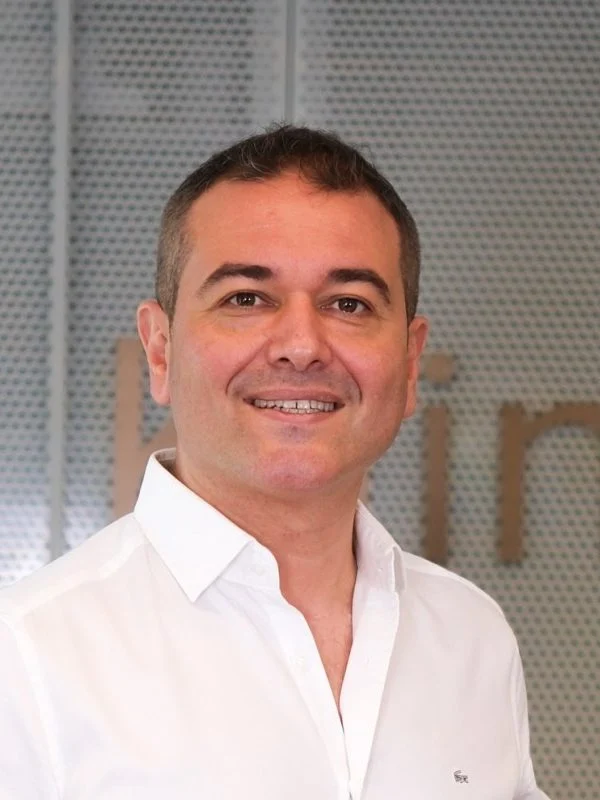
Dr. Dt. Kıvanç Türkoğlu
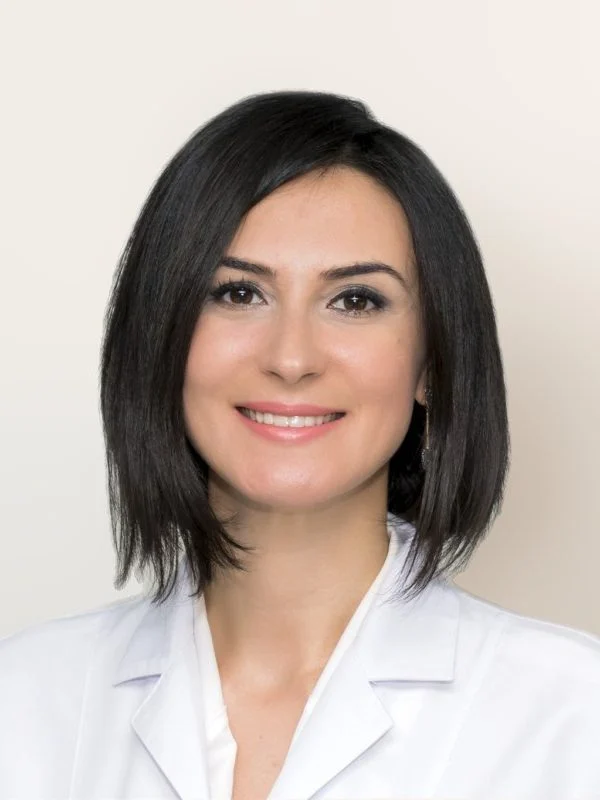
Dr. Dt. Pınar Demir Türkoğlu
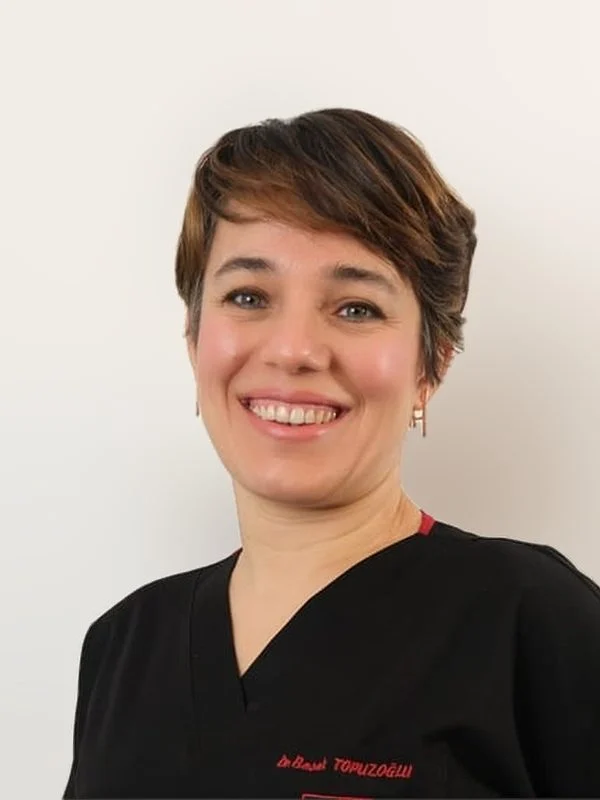
Dr. Başak Topuzoğlu
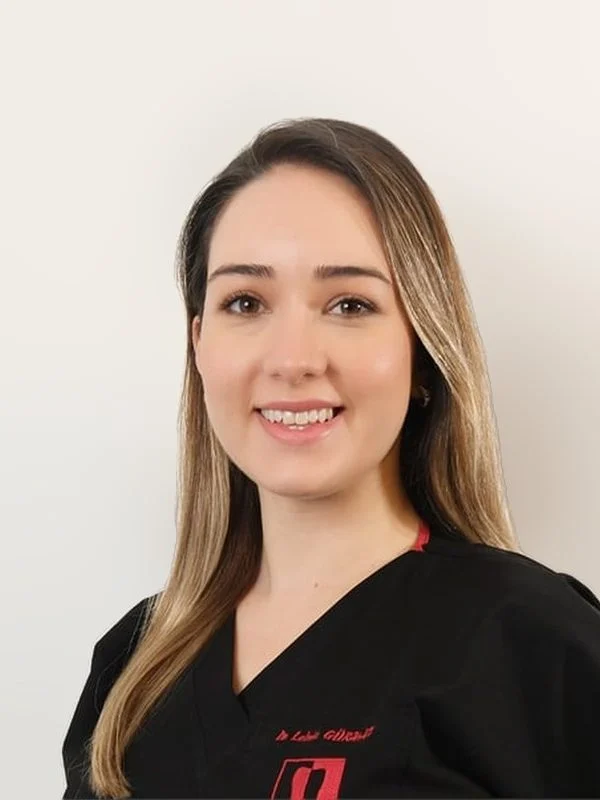
Dr. Lebriz Yalçın Gürhan
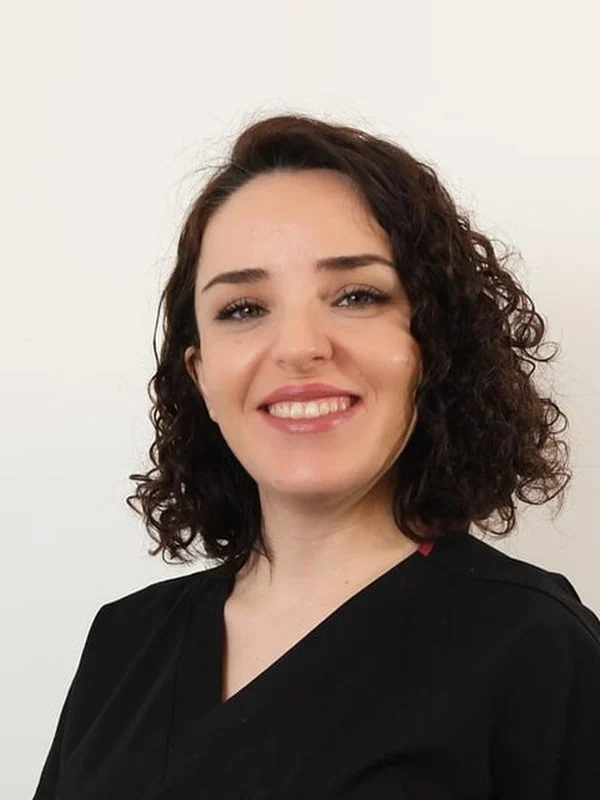
Dr. Sinem Kösem Mihmar
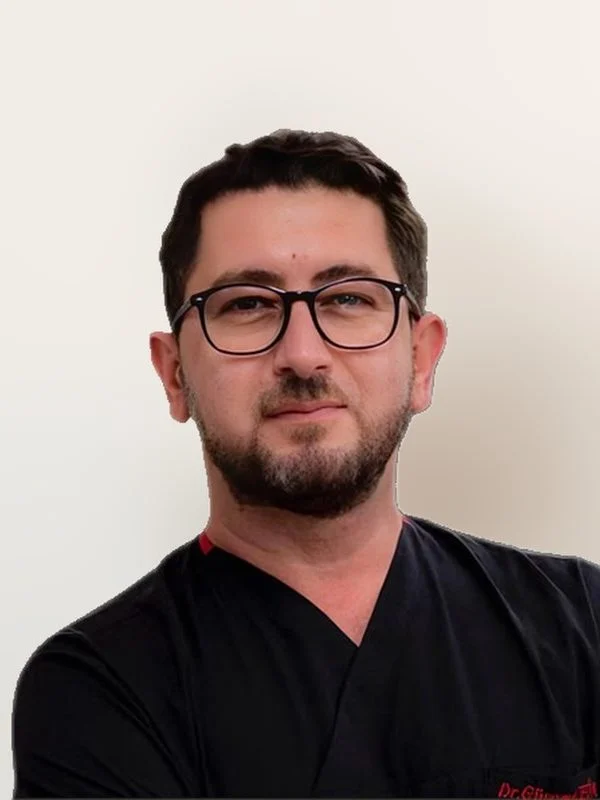
Dr. Dt. Gürcan Çetin