 TR
TR  EN
EN  DE
DE 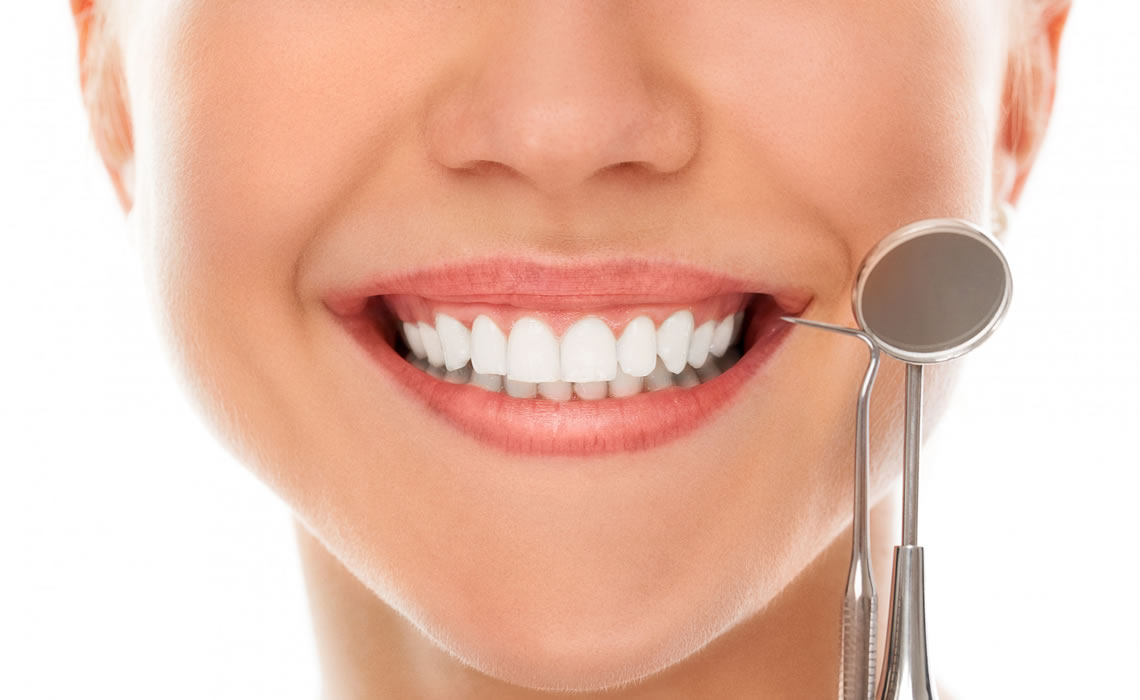 A radiant, symmetrical smile has evolved into a defining mark of personal self-assurance and social charisma. Modern smile design transcends superficial teeth bleaching; it represents an intricate combination of oral architecture, digital biometrics, and advanced prosthodontic craftsmanship. When individuals suffer from intrinsic enamel discoloration, worn incisal edges, diastemas, or asymmetrical gingival margins, routine cosmetic touch-ups often fall short of delivering harmonious proportions. A bespoke hollywood smile in Turkey addresses every micro-aesthetic detail by calibrating tooth dimensions, axial inclination, buccal corridor display, and lip dynamics to your unique facial profile. Structural wear and dental imperfections can be addressed using computer-aided design, biocompatible glass-ceramics and minimally invasive preparation techniques. Digital dentistry and personalized smile aesthetics are used together to plan a natural-looking smile.
What Is a Hollywood Smile in Turkey and What Does It Entail?
Clinically referred to as total aesthetic smile rehabilitation, this comprehensive treatment aims to create complete visual harmony between the teeth, gingival scaffold, lips, and surrounding facial contours. The procedure is never a one-size-fits-all set of standardized porcelain caps; instead, it is a fully personalized architectural redesign of your dentition. It typically encompasses the entire aesthetic zone, addressing the upper eight to ten teeth and lower eight to ten teeth revealed during a broad, natural smile.
The rehabilitation process combines multiple cosmetic disciplines tailored to individual clinical requirements. Depending on initial dentogingival architecture, treatment may integrate laser gingivoplasty to correct uneven gumlines, conservative enamel recontouring, and the bonding of ultra-thin ceramic restorations. By correcting midline deviations, eliminating dark buccal corridors, and restoring proper golden proportions, the final result achieves striking brilliance without compromising masticatory biomechanics or biological tissue vitality.
What Are the Core Aesthetic Elements of Digital Smile Design?
- Golden Proportion Harmony: Calculating the width-to-length ratio of anterior central incisors (ideally 75% to 80%) to ensure balanced visual hierarchy.
- Incisal Edge Silhouette: Aligning the cutting edges of the maxillary teeth to follow the natural curvature of the lower lip during smiling.
- Buccal Corridor Management: Filling empty lateral negative spaces between premolars and cheeks to create a wide, vibrant dental display.
- Gingival Zenith Symmetry: Contouring the highest apical points of gum margins with diode lasers for even, scallop-like framing.
- Facial Midline Alignment: Centering the contact point of central incisors with the facial facial axis, philtrum, and interpupillary plane.
Why Do International Patients Choose a Hollywood Smile in Turkey?
Istanbul receives patients from the UK, Europe, North America, and Australia for cosmetic dentistry.
Patients can undergo complex diagnostic assessments, digital mockups, and permanent ceramic bonding within a single five-to-seven-day stay.
Which Dental Restoration Materials Are Used for a Hollywood Smile in Turkey?
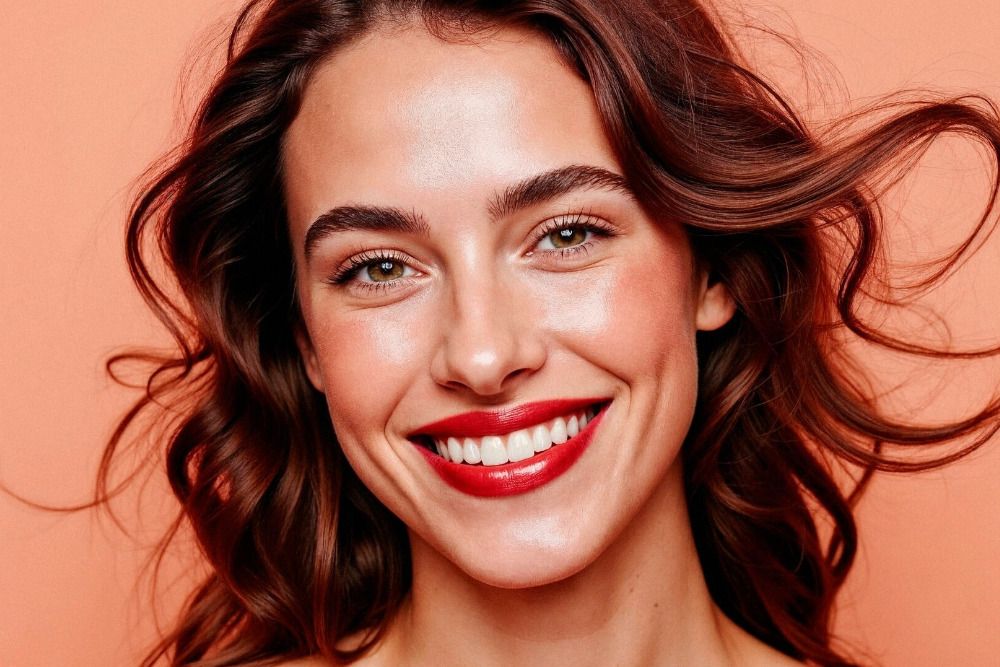
Lithium Disilicate Glass-Ceramics
Known for its opalescence and natural light transmission, Lithium disilicate replicates the depth and translucency of natural enamel and is used for minimally invasive anterior veneers.
Monolithic Multi-Layered Zirconia
Gradient zirconia provides structural durability and is suitable for patients who require multi-unit bridge spans or manage mild nocturnal bruxism.
Feldspathic Hand-Layered Porcelain
Crafted by skilled ceramists through custom powder build-ups, feldspathic porcelain achieves individualized artistry, creating subtle halo effects and realistic incisal translucency on conservative preparations.
Porcelain Laminates versus Full-Coverage Crowns: Choosing the Right Approach
A successful smile makeover relies heavily on selecting the correct restorative medium for each individual tooth substrate. Where enamel remains structurally sound and healthy, conservative laminate veneers require minimal surface preparation of only 0.3 to 0.7 millimeters on the facial enamel.
Conversely, teeth with extensive historical fillings, severe recurrent decay, previous root canal treatments, or fractured cusps lack sufficient enamel to support a purely facial veneer. In these specific circumstances, 360-degree full-coverage crowns offer total structural reinforcement, shielding compromised tooth cores from heavy occlusal forces while delivering consistent optical alignment alongside adjacent veneers.
Aesthetic Dental Restorations: Comparing Common Material Systems
Navigating the various restorative materials involves evaluating optical characteristics, preparation requirements, longevity, and clinical load tolerance. The comparative overview below clarifies how common ceramic systems contrast in practice:
| Restorative Metric | Lithium Disilicate | High-Translucent Zirconia | Composite Resin Bonding |
|---|---|---|---|
| Optical Translucency | High (Similar to natural enamel) | High (Slightly warmer core balance) | Moderate (Can appear dull over time) |
| Substance Reduction | Minimal (0.3 mm – 0.6 mm) | Moderate (0.8 mm – 1.2 mm) | Zero to microscopic etching |
| Flexural Strength | 470 – 530 MPa | 900 – 1,200 MPa | 120 – 160 MPa |
| Stain Resistance | 100% Impermeable glazed surface | 100% Non-porous crystalline glaze | Prone to pigment absorption |
| Expected Lifespan | 15 to 20 years with proper care | 15 to 25 years | 4 to 7 years (Requires regular repolishing) |
How Does the Hollywood Smile in Turkey Treatment Process Work?
Comprehensive 3D Imaging and Digital Mock-Up
The journey initiates with high-resolution photographic series, extraoral aesthetic scans, and intraoral digital impressions. Clinicians design a digital diagnostic wax-up and transfer a temporary composite mock-up directly over the patient’s teeth, allowing them to preview their smile line, speech dynamics, and tooth length before any preparation begins.
Microscopic Enamel Preparation and Temporization
Under local anesthesia, the enamel is delicately refined using magnification loupes or dental microscopes to preserve natural tooth contours. Precision digital scans are captured, and aesthetic temporary restorations are placed to protect exposed dentin tubules and support regular chewing throughout fabrication.
Custom Laboratory Artistry and Final Adhesive Bonding
Using 5-axis CAD/CAM milling units and individualized ceramic layering, the dental laboratory sculpts every individual veneer. At the final appointment, restorations are evaluated for marginal seal, contact tightness, and aesthetics before being bonded under rubber dam isolation using light-cured resin cements.
Why Are Zirconia Crowns Used for Extensive Smile Restorations?
While porcelain shells thrive on anterior teeth with healthy enamel, severe structural collapse or heavy posterior grinding requires materials engineered for high load resistance. Utilizing zirconia crowns provides the biomechanical support needed to balance full chewing forces across molar regions while maintaining high visual appeal.
Contemporary multi-layer zirconia blends higher cubic ceramic fractions at the incisal edge for translucency with high-density tetragonal crystals at the core for strength. This aims to reduce chipping while matching adjacent anterior lithium disilicate veneers. Combining both restorative materials allows clinicians to preserve tissue, balance bite forces, and achieve a uniform aesthetic across the entire smile.
Hollywood Smile in Turkey: Pricing Guide for 2026
Understanding the financial aspects of cosmetic dental tourism is essential for international patients planning smile design treatments. The table below lists expected prices for 2026:
| Treatment Scope | Turkey (€) |
|---|---|
| Single Lithium Disilicate Veneer (Per Tooth) | €220 – €320 |
| Single Zirconia Crown (Multi-Layered) | €180 – €260 |
| Full Upper Arch Smile (8 to 10 Lithium Disilicate Veneers) | €1,800 – €2,900 |
| Full Mouth Transformation (20 Units Lithium Disilicate / Zirconia) | €3,800 – €5,800 |
| Gingival Laser Recontouring (Per Arch) | €150 – €250 |
How to Avoid the Unnatural “Chiclet” Look and Achieve True Realism
A frequent apprehension voiced by prospective smile design patients is the concern of ending up with unnaturally opaque, uniformly monochromatic teeth resembling chewing gum tabs. This artificial outcome typically results from outdated materials, inexperienced clinicians, or aggressively shaving natural teeth into small pegs to fit thick, non-translucent crowns.
Authentic, natural smile design requires balancing optical depth with individualized anatomy. True human enamel features subtle variations: warmth near the gingival margin, rich body in the middle third, and soft blue-gray translucency along the incisal edge. Reputable aesthetic clinics work with master ceramists to build micro-textures, delicate developmental grooves, and soft reflective facets into the ceramic, ensuring your smile reflects light naturally and complements your facial features.
Selecting a Suitable Tooth Shade for a Hollywood Smile in Turkey
Evaluating Skin Undertones and Sclera Brightness
The baseline rule of thumb for harmonious shade selection is ensuring the tooth enamel value does not appear dramatically whiter than the white of your eyes (sclera), which prevents an overly stark, disconnected contrast.
The Hollywood Bleach Palette (BL1 to BL4)
While the standard classical shade scale ranges through natural yellow-brown hues (A1 to D4), cosmetic bleach shades offer enhanced brightness; BL1 represents the whitest, while BL3 and BL4 deliver luminous, soft-white vibrancy.
Translucency Mapping and Gradient Characteristics
Higher bleach shades still require natural incisal translucency to prevent looking like flat white paint; multi-layering supports natural light transmission across different angles.
Who Is an Eligible Candidate for a Hollywood Smile in Turkey?
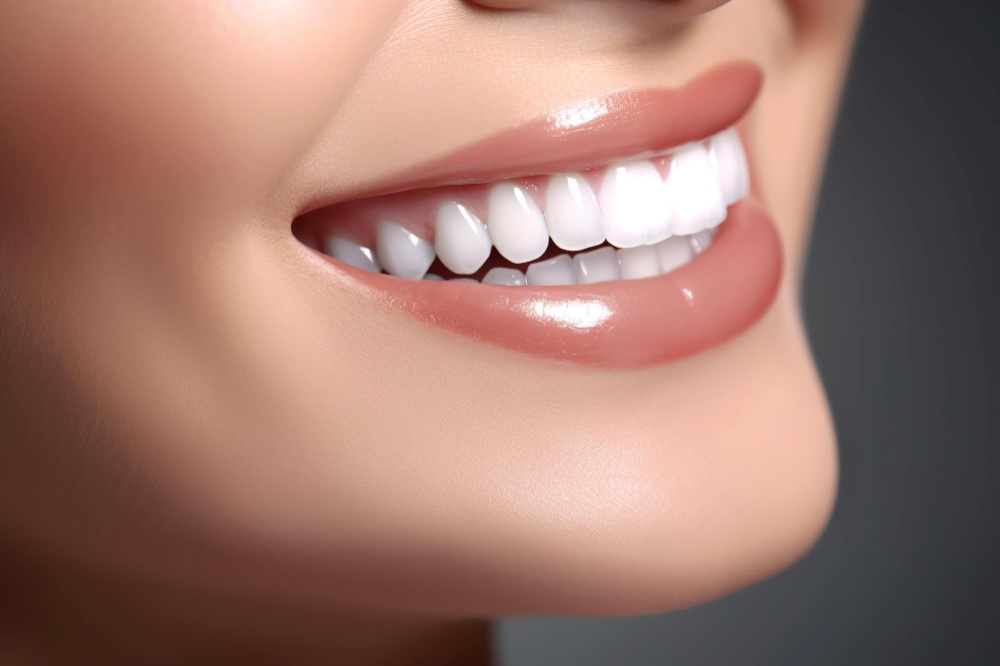
- Individuals with Severe Intrinsic Discoloration: Patients dealing with fluorosis or tetracycline staining that cannot be improved through conventional chemical teeth whitening.
- Patients with Worn or Asymmetrical Enamel: Individuals with chipped incisal edges, acid erosion, or uneven tooth sizes disrupting smile harmony.
- Diastema and Spacing Corrections: Patients seeking to close persistent gaps between anterior teeth without extended orthodontic treatments.
- Healthy Periodontal Scaffolding: Candidates with pink, firm gums free from untreated gingivitis, active periodontitis, or unresolved subgingival calculus.
- Patients Committed to Oral Care: Individuals prepared to maintain daily flossing, periodic cleanings, and nightguard protection against wear.
Can Porcelain Veneers in Turkey Correct Misaligned Teeth?
Patients frequently explore aesthetic restorations as an alternative to prolonged aligner or bracket therapies. While mild rotations, minor overlaps, and modest spacing can be addressed through custom porcelain veneers in Turkey—often referred to as instant orthodontics—there are distinct clinical limits to this approach.
If severe crowding or crossbites are masked by grinding down substantial tooth structures, the preparations risk encroaching upon the dental pulp, causing sensitivity and compromising long-term vitality. In such situations, conservative pre-alignment using clear aligners for several months followed by conservative veneer bonding provides a biologically sound path that keeps your underlying tooth structure intact.
Post-Procedure Care: How to Maintain and Protect Your Restoration
- Use Low-Abrasive Pastes: Avoid gritty charcoal or abrasive whitening pastes (aim for an RDA below 70) to prevent micro-scratching the polished ceramic glaze over time.
- Daily Interproximal Care: Floss daily around veneer margins and incorporate water irrigators to prevent plaque accumulation along the gumline.
- Wear a Protective Nightguard: Use a custom-fitted occlusal nightguard if you experience nighttime clenching or grinding, protecting your ceramic margins from heavy shear forces.
- Avoid Using Teeth as Tools: Refrain from biting hard shells, chewing ice cubes, or opening plastic packaging with your anterior teeth to prevent micro-chipping.
- Regular Cleanings: Schedule professional dental cleanings every six months with ultrasonic scalers equipped with soft composite tips to maintain polished margins.
How Long Does a Hollywood Smile Last and When Is Maintenance Needed?
When crafted from lithium disilicate or precision-milled zirconia and bonded using reliable adhesive protocols, modern aesthetic restorations deliver an impressive clinical lifespan of 15 to 20 years or longer. The ceramics themselves are color-stable and resistant to staining from dark tea, espresso, red wine, or tobacco smoke.
Longevity depends heavily on the health of the underlying natural teeth and surrounding gum tissues. Natural aging can bring gradual gum recession, potentially revealing the original tooth margin over time. Maintaining healthy periodontal attachments, avoiding smoking, and keeping up with preventive dental checkups helps keep your restorations securely sealed and biologically healthy.
Why Choose Klinik 29 in Istanbul for Your Hollywood Smile in Turkey?
Klinik 29 in Istanbul combines modern dental technology with an individualized, patient-centered approach. Our cosmetic dentistry specialists reject cookie-cutter smile formulas, designing each smile through thorough 3D digital smile workflows, facial aesthetic assessments, and high-precision intraoral scanning, aiming for natural-looking harmony.
Our dedicated on-site laboratory works exclusively with authentic, certified European ceramics, crafting each veneer and crown with balanced light dynamics and fine micro-texture. Supported by transparent treatment proposals and post-operative follow-up, Klinik 29 provides smile design treatment.
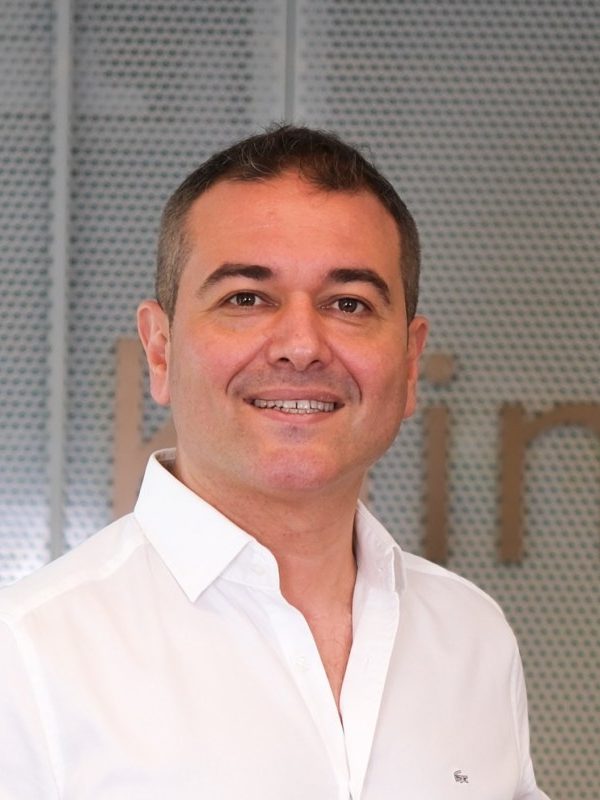
Dr. Dt. Kıvanç Türkoğlu
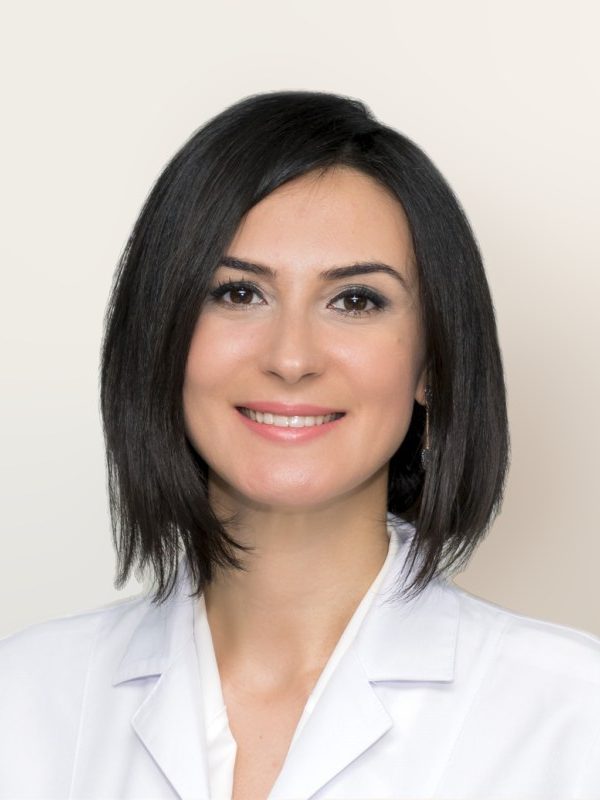
Dr. Dt. Pınar Demir Türkoğlu
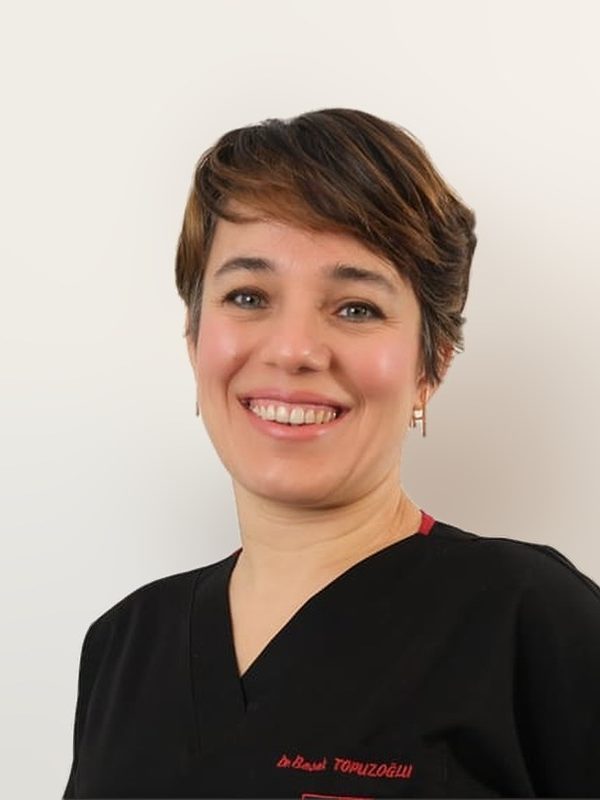
Dr. Başak Topuzoğlu
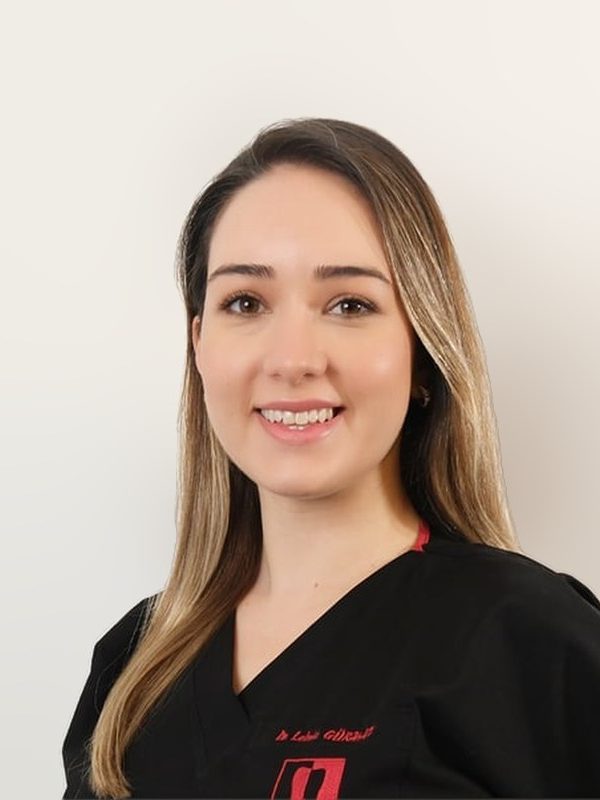
Dr. Lebriz Yalçın Gürhan
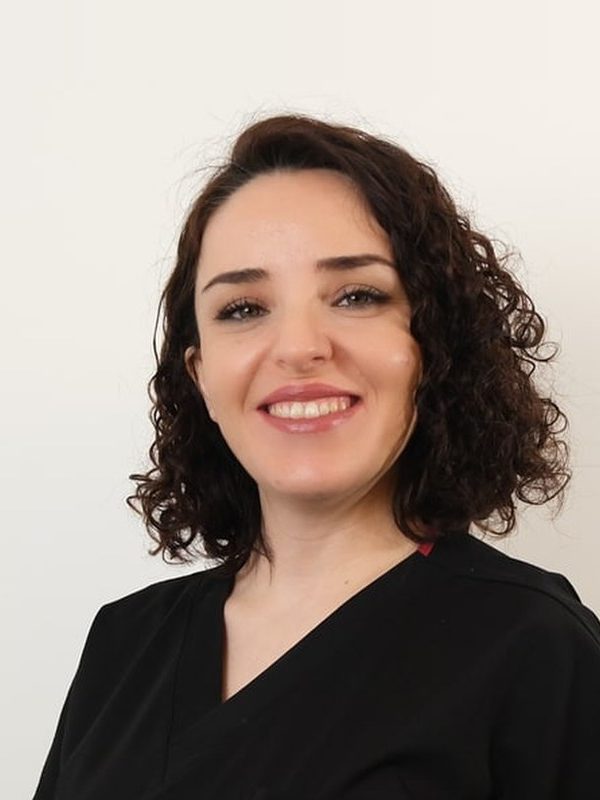
Dr. Sinem Kösem Mihmar
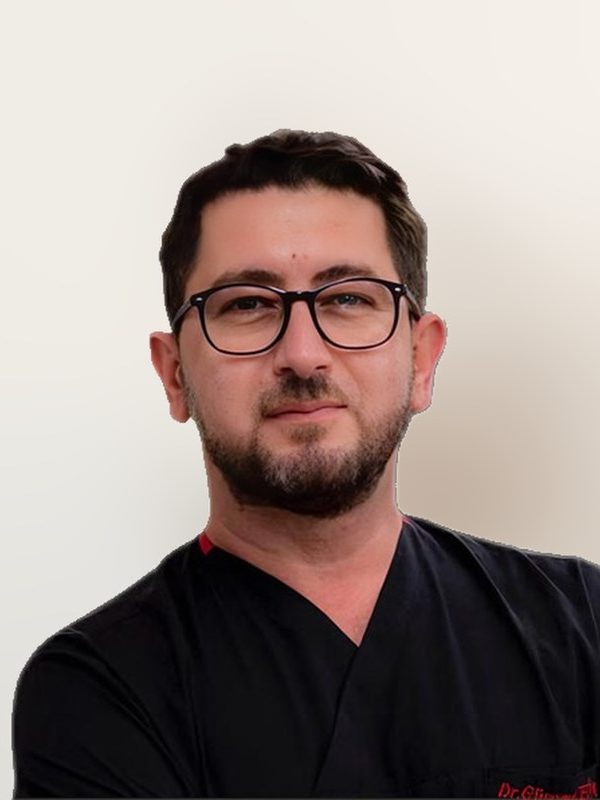
Dr. Dt. Gürcan Çetin