 TR
 EN
 DE
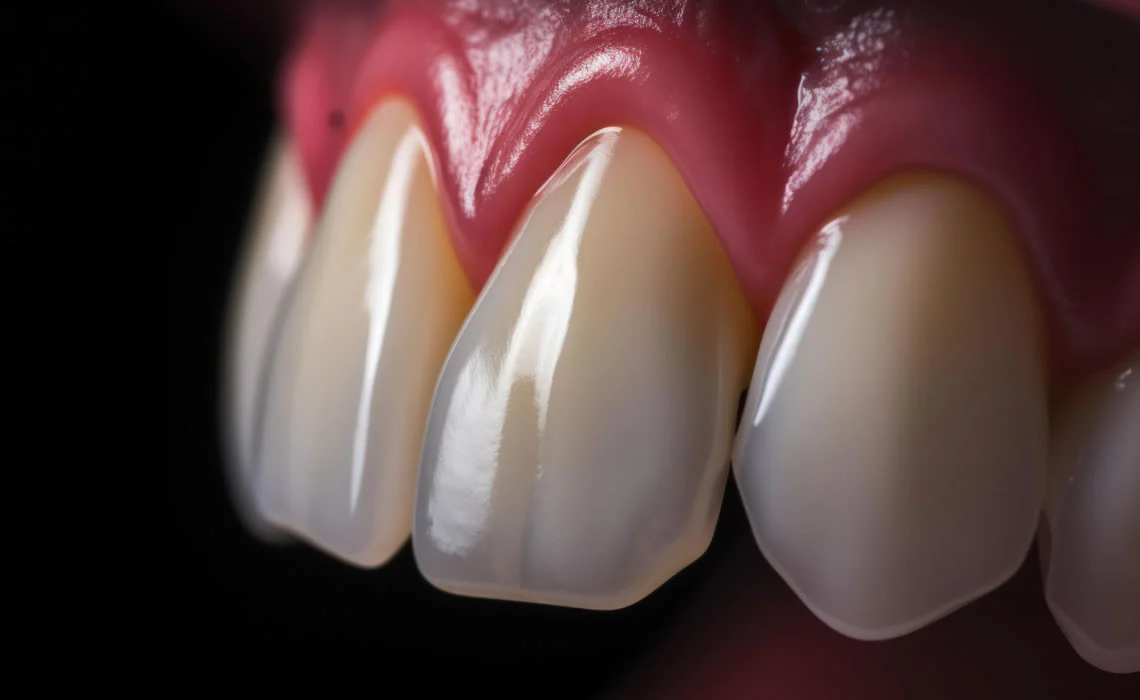
Modern cosmetic dentistry provides transformative restorative solutions for patients seeking to achieve an aesthetically balanced, radiant, and harmonious smile. Among the most widely preferred and proven treatments in restorative dental care, porcelain veneers combine biocompatibility, optical realism, and structural durability. Clinics use certified ceramic materials and digital smile design technology.
What Are the Different Types of Porcelain Veneers Available in Turkey?
Feldspathic Porcelain Restorations
Feldspathic porcelain represents the classic artisan approach to dental aesthetics, meticulously hand-crafted by master ceramists using layered ceramic powders fired on refractory dies. This specialized material allows for subtle multi-tonal layering, natural opalescence, and fine micro-textures that replicate the anatomical depth of natural enamel. Feldspathic porcelain veneers are especially well-suited for patients who have healthy underlying tooth structures and desire an artistic, highly customized cosmetic transformation.
Lithium Disilicate Glass-Ceramic Systems
Lithium disilicate restorations have revolutionized aesthetic dentistry by combining translucency with high flexural strength of approximately 500 MPa. These glass-ceramic shells can be manufactured through specialized press technology or high-precision CAD/CAM milling blocks. Because of their mechanical resilience, clinicians can design thin restorations that demand minimal enamel reduction while providing long-term resistance against chipping and masticatory wear.
Ultrathin Minimal-Prep Facings
For patients with minor cosmetic concerns, small teeth, or subtle interdental spaces, minimal-prep ceramic facings provide a non-invasive treatment option. These ultra-thin shells, ranging between 0.2 mm and 0.4 mm in thickness, can often be bonded directly onto the enamel surface with minimal or no preliminary mechanical preparation, preserving maximum natural tooth structure while enhancing smile symmetry.
How Does Digital Smile Design Enhance Treatment Precision?
Digital Smile Design (DSD) serves as the architectural foundation of contemporary smile makeovers in Turkish clinics. Using high-resolution facial photography, 3D intraoral scans, and specialized dynamic software, cosmetic dentists analyze the patient’s facial midline, lip dynamics, incisal display, and golden dental proportions. This digital workflow allows clinicians to engineer personalized porcelain veneers that harmonize with the patient’s facial profile.
Before any physical alteration of the enamel takes place, patients can visualize a realistic 2D and 3D simulation of their anticipated smile makeover. Furthermore, temporary diagnostic mock-ups can be transferred directly into the patient’s mouth using resin templates, allowing them to preview the bite, aesthetics, and phonetics in real-time.
Why Do International Patients Choose Turkey for Porcelain Veneers?
Dental centers in major metropolitan hubs such as Istanbul, Antalya, and Izmir are equipped with cone-beam computed tomography (CBCT) scanners, 3D intraoral optical scanners, and automated milling machines.
How Much Do Porcelain Veneers in Turkey Cost?
| Country | Estimated Cost Per Tooth | Full Smile (16-20 Units) | Standard Inclusions |
|---|---|---|---|
| Turkey | £170 – £280 / €200 – €320 | £3,200 – £5,200 / €3,800 – €6,000 | 3D Scans, Consultation |
What Is the Step-by-Step Clinical Procedure for Ceramic Restorations?
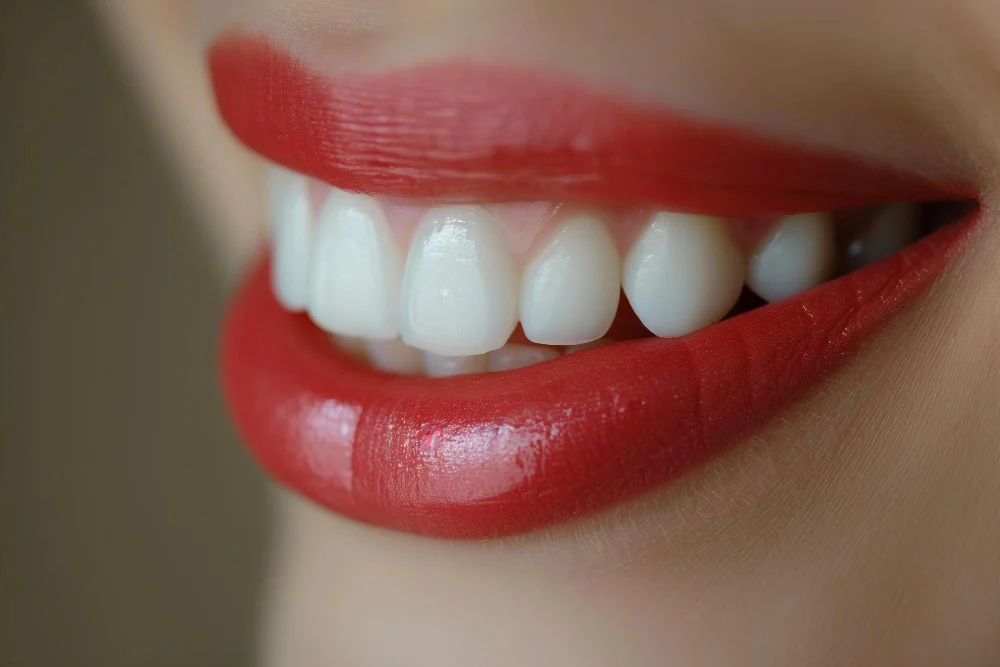
The standard treatment timeline in Turkey spans approximately 5 to 7 days and is structured into clear clinical phases to support biological integration and aesthetic precision. The journey begins with comprehensive diagnostics, panoramic radiography, and shade selection tailored to the patient’s skin undertones and aesthetic goals.
Following local anesthesia, the cosmetic dentist performs minimal preparation, recontouring 0.3 mm to 0.7 mm of the facial enamel. Digital intraoral impressions are captured and sent directly to the ceramic laboratory. While the final porcelain veneers are custom-milled and hand-glazed, the patient wears temporary acrylic veneers to protect the prepared teeth and maintain everyday function. At the final appointment, the restorations are tried in, assessed for fit and bite, and permanently bonded using light-cured adhesive resin cements.
Who Is an Ideal Candidate for Porcelain Veneers?
- Severe Intrinsic Tooth Staining: Individuals with deep tetracycline discoloration, dental fluorosis, or calcified pulp canals that cannot be corrected by chemical teeth whitening.
- Chipped or Worn Tooth Edges: Patients experiencing incisal enamel loss, micro-fractures, or mild attrition from natural aging.
- Diastemas and Gaps: Individuals seeking to close unwanted spaces between anterior teeth without extended orthodontic therapy.
- Mild Crowding or Asymmetry: People with slightly rotated or uneven teeth who desire rapid cosmetic alignment.
- Healthy Periodontal Foundation: Candidates must possess healthy gingival tissues, adequate alveolar bone support, and sufficient residual enamel for reliable adhesive bonding.
What Are the Key Differences Between Lithium Disilicate and Traditional Ceramic Facings?
In modern restorative dentistry, patients frequently evaluate specific ceramic compositions to find a balance of strength and aesthetics. Among the most popular options, lithium disilicate veneers are made of glass-ceramic known for its light transmission and lifelike opalescence.
Traditional feldspathic porcelain offers artistic customization through layered powder techniques, making it suitable for mimicking fine enamel characteristics. However, lithium disilicate provides more than double the flexural strength of traditional feldspathic materials. This added structural strength enables dentists to craft ultra-thin porcelain veneers that resist fracture even under rigorous daily mastication.
Porcelain Veneers vs Full Dental Crowns: Which Option Is Right for You?
Choosing between conservative facings and full-coverage crowns depends primarily on the remaining volume and structural integrity of the natural tooth structure. A veneer is a minimally invasive restoration that covers only the facial surface and incisal edge, preserving up to 80% to 90% of the natural enamel. This conservative preparation protects the vitality of the dental pulp and preserves maximum biological tissue.
When a tooth has undergone root canal therapy, suffers from deep structural cracks, or has lost significant coronal wall support due to extensive decay, a veneer may not provide sufficient mechanical protection. In such cases, full-coverage zirconia crowns in Turkey are recommended to encase the tooth 360 degrees, offering maximum resistance against heavy occlusal forces while providing pleasing cosmetic results.
How Long Do Porcelain Veneers Last and What Determines Their Longevity?
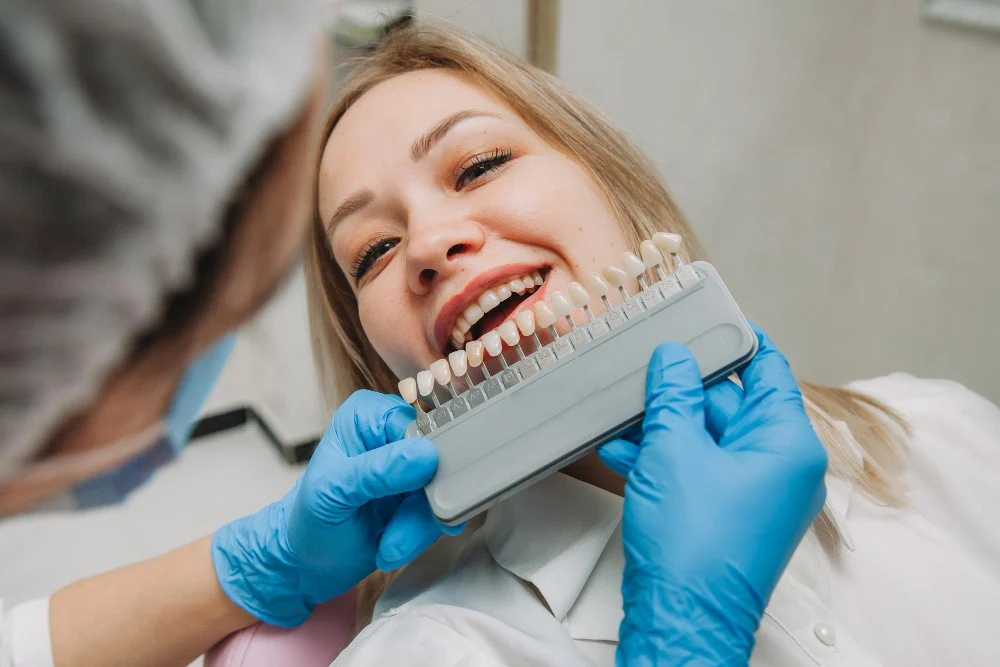
When planned with precision and maintained with good oral hygiene, many patients retain their original porcelain veneers for 20 years or longer without significant degradation, marginal discoloration, or debonding.
The primary factor determining long-term clinical success is the presence of intact enamel at the preparation margins. Adhesive resin cements create a micro-mechanical and chemical bond with etched enamel that is significantly stronger and more durable than bonding to dentin. Protecting the restorations from excessive parafunctional habits such as chronic bruxism or biting non-food objects further ensures their structural longevity.
What Are the Advantages and Potential Limitations of Ceramic Facings?
Esthetic Realism
Ceramic restorations replicate the natural luminescence, light absorption, and translucency of biological tooth enamel. Furthermore, because glazed dental porcelain is entirely non-porous, it is resistant to staining from tea, coffee, red wine, and tobacco products.
Irreversible Enamel Preparation
Because the placement of conventional ceramic shells requires minimal recontouring of the outermost enamel layer, the procedure is irreversible. Once a tooth is prepared for a restoration, it will always require a protective covering, meaning the restorations will eventually need replacement in the distant future.
Maintenance and Bite Considerations
Although dental ceramics possess immense compressive strength, they can be vulnerable to concentrated tensile or shearing stresses. Patients must avoid using their restored anterior teeth to crack hard nuts, tear tough packaging, or chew ice cubes to prevent accidental chipping of the ceramic margins.
How Should You Maintain Your Restorations for Oral Health?
- Consistent Brushing Routine: Clean your teeth twice daily using a soft-bristled toothbrush and a non-abrasive fluoride toothpaste to prevent scratching the glazed ceramic surface.
- Daily Interdental Cleaning: Use dental floss or interdental brushes daily to remove plaque accumulation along the cervical margins and gumline.
- Wear a Protective Night Guard: If you grind or clench your teeth during sleep, use a custom-fitted occlusal night guard to buffer the ceramic shells from excessive force.
- Bi-Annual Dental Checkups: Visit your dental hygienist and dentist every six months for routine scaling, polishing, and marginal seal inspection.
- Avoid Unnecessary Mechanical Stress: Refrain from biting fingernails, chewing pens, or opening bottles with your teeth to protect the incisal edges.
Can Porcelain Veneers Correct Crooked, Gapped, or Worn Teeth?
Ceramic facings are often described as instant orthodontics because they can address mild aesthetic misalignments, uneven tooth lengths, and interdental spacing in just a few appointments. By varying the thickness and contour of individual ceramic units, the cosmetic dentist can create the visual appearance of an aligned and symmetrical dental arch.
However, porcelain veneers are not a direct replacement for comprehensive orthodontic treatment in cases of severe dental malocclusion, complex crossbites, or extreme crowding. Attempting to mask severe dental misalignment solely with ceramic shells would require excessive and biologically harmful enamel reduction. In such scenarios, pre-treatment with clear aligners is recommended prior to cosmetic restorative bonding.
Is the Preparation and Bonding Process Painful?
The entire clinical process for ceramic restorations is performed under local anesthesia. Patients generally feel only slight vibrational sensations from the dental handpiece during the minimal enamel recontouring phase.
After the permanent porcelain veneers are bonded, it is normal to experience mild, temporary thermal sensitivity to hot and cold temperatures for a few days up to two weeks. This transient sensitivity occurs as the dental pulp adapts to the bonding agents and preparation, resolving naturally without the need for invasive intervention.
How Many Days Are Required to Complete Treatment in Turkey?
A full cosmetic smile makeover in Turkey is typically completed within 5 to 7 calendar days. This efficient timeframe is made possible by modern in-house dental laboratories and CAD/CAM milling technologies that eliminate the weeks of waiting typical of traditional dental workflows.
During the intermediate days while the master ceramists customize, bake, and hand-finish the porcelain veneers, patients are free to relax and explore the cultural landmarks, scenic coastlines, and culinary attractions of Turkey while wearing functional temporary restorations.
What Quality Standards Apply to Porcelain Veneers in Turkey?
Ministry of Health Accreditation
Dental clinics welcoming international patients in Turkey operate under strict oversight from the Turkish Ministry of Health. Clinics must comply with European sterilization protocols, maintain advanced emergency response infrastructure, and hold official International Health Tourism Authorisation Certificates to operate legally.
Certified International Ceramic Brands
Reputable Turkish clinics use FDA-approved, CE-certified dental ceramics from globally established manufacturers in Germany, Switzerland, and the United States. Patients receive official material passports and authenticity certificates detailing the exact ceramic brand, shade code, and serial numbers.
Aftercare
Comprehensive digital documentation and post-treatment guidance provide patients with clear support once they return home.
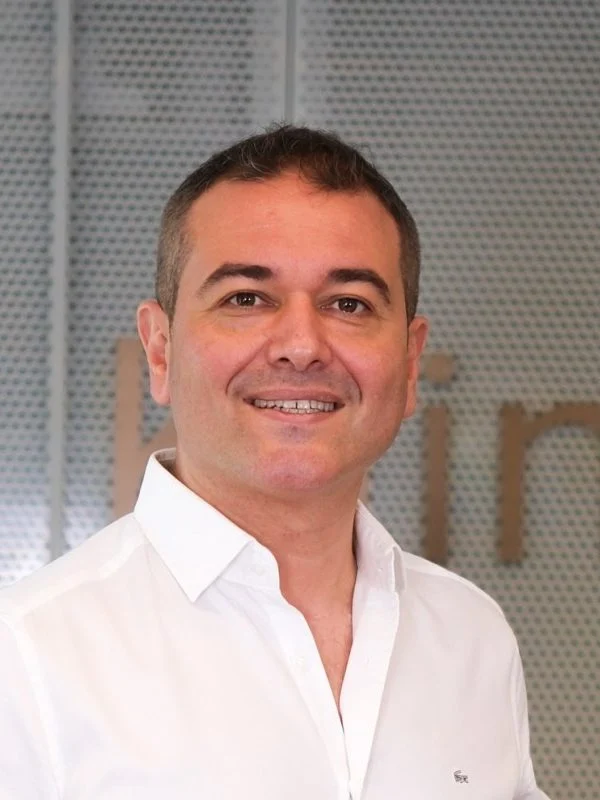
Dr. Dt. Kıvanç Türkoğlu
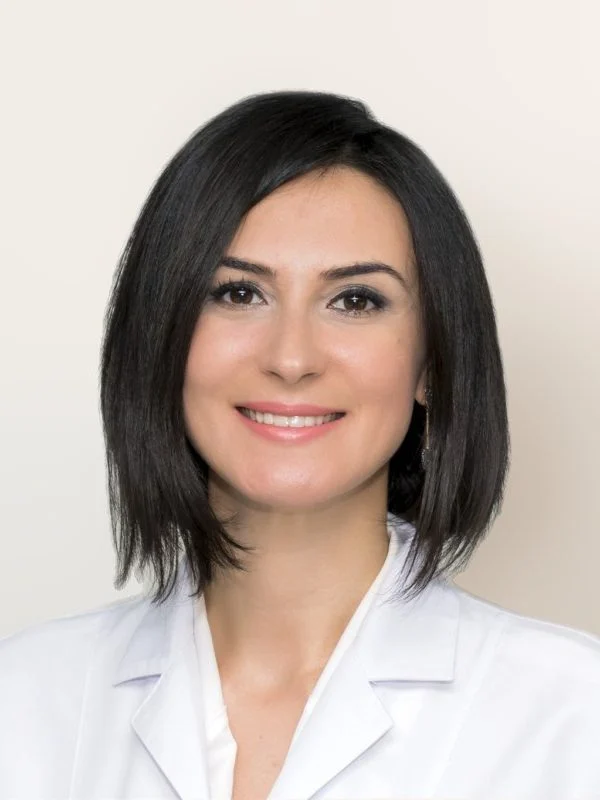
Dr. Dt. Pınar Demir Türkoğlu
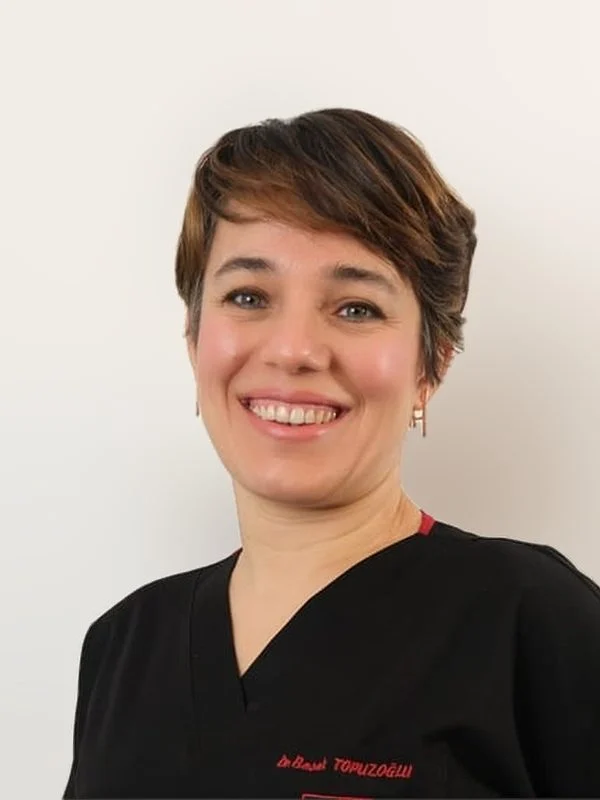
Dr. Başak Topuzoğlu
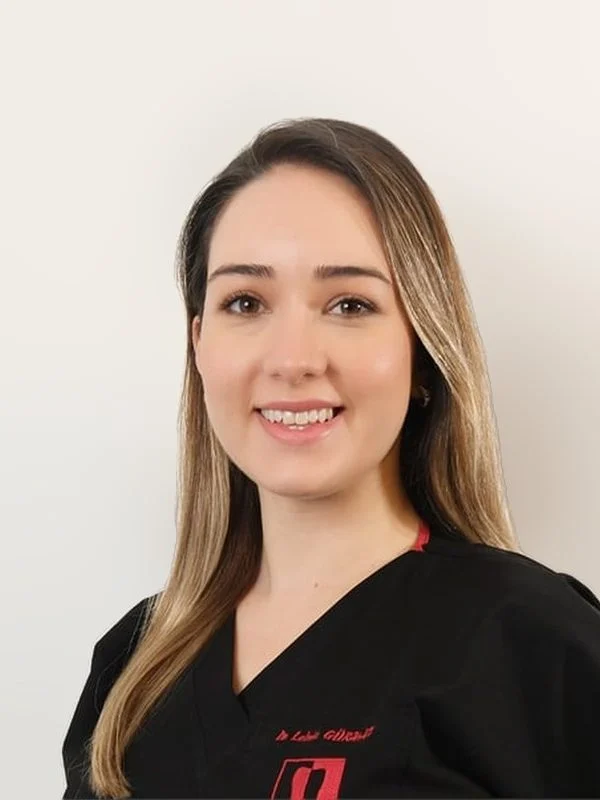
Dr. Lebriz Yalçın Gürhan
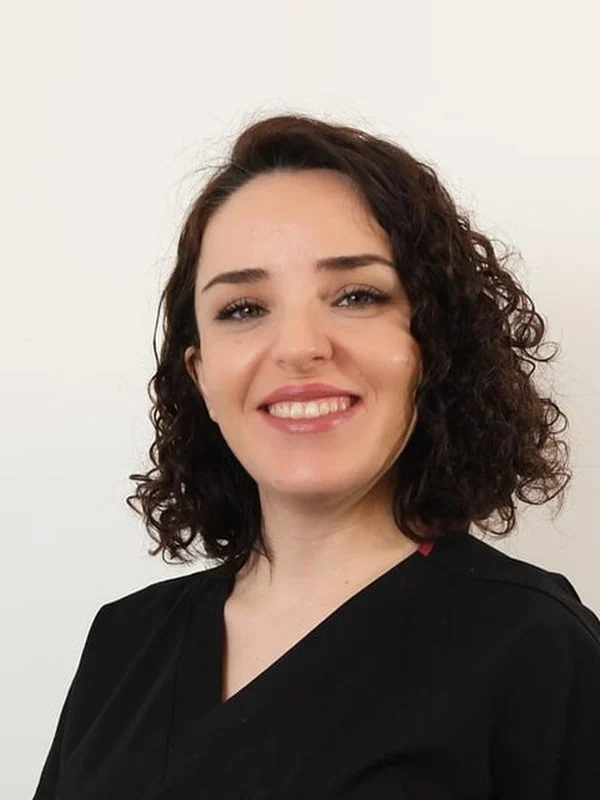
Dr. Sinem Kösem Mihmar
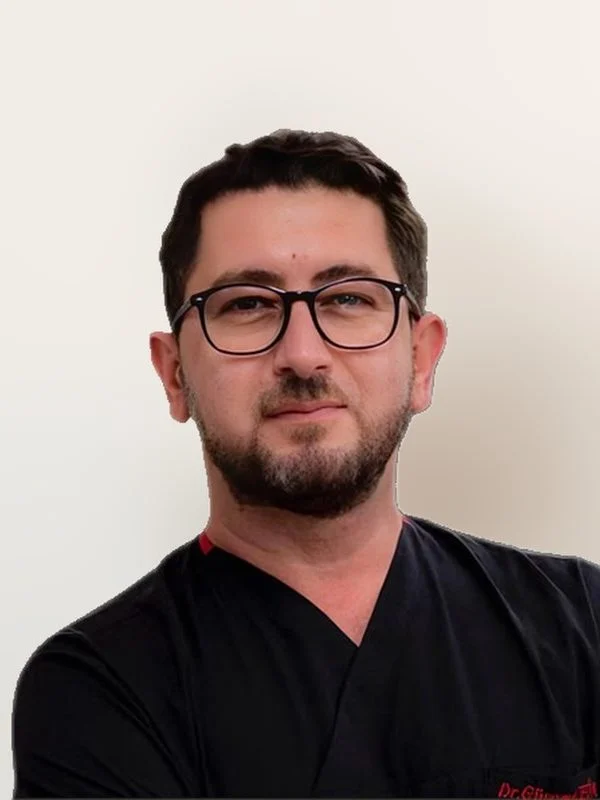
Dr. Dt. Gürcan Çetin