 TR
TR  EN
EN  DE
DE 
Modern restorative dentistry has witnessed remarkable clinical advancements over recent decades, offering patients highly durable, biocompatible, and aesthetic solutions for compromised teeth. Among the most trusted full-coverage restorations in the world, zirconia crowns have established an exceptional standard for treating structural tooth loss, severe decay, fractures, and aesthetic disharmony. As a premier global destination for dental tourism, Turkey attracts hundreds of thousands of international patients each year seeking comprehensive smile transformations. By integrating high-grade medical biomaterials, state-of-the-art CAD/CAM digital workflows, and experienced prosthodontic specialists, Turkish clinics deliver long-lasting restorative outcomes at highly competitive and accessible prices.
What Are Zirconia Crowns and How Are They Made?
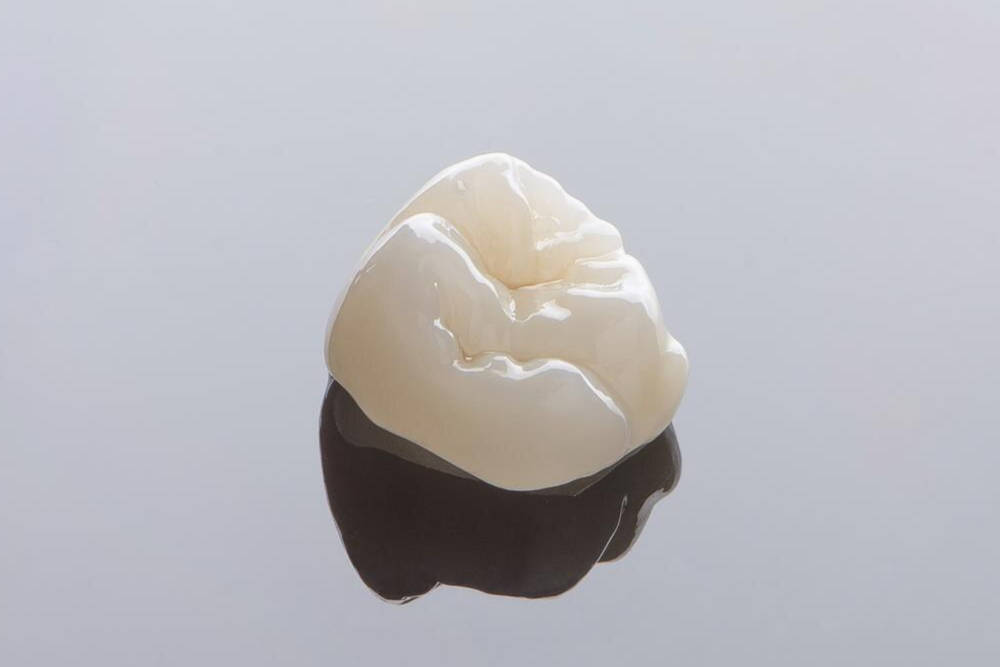
Zirconia is a crystalline dioxide of zirconium, engineered as an exceptionally strong ceramic biomaterial that delivers remarkable mechanical performance in oral environments. Unlike older metal-fused restorations that utilize opaque dark sub-structures, this metal-free mineral framework provides high flexural strength ranging from 900 to 1200 MPa, easily withstanding intense bite forces in posterior masticatory zones.
The manufacturing workflow utilizes advanced computerized manufacturing systems. Following optical scanning of the prepared tooth, specialized software models the anatomical contours in 3D. A precision 5-axis robotic milling machine then carves the custom restoration from a solid sintered block of high-translucency zirconium oxide, resulting in microscopic marginal precision and superior structural density.
Why Do International Patients Choose Turkey for Zirconia Crowns?
The reputation of Turkey as a top dental tourism destination is built on high clinical standards, rapid turnaround times, and advanced clinic facilities. Dental centers in Istanbul, Antalya, and Izmir feature hospital-grade sterilization protocols, 3D cone-beam computed tomography (CBCT) units, and fully digital in-house dental laboratories that match or exceed Western European benchmarks.
Beyond technology, cosmetic dental practitioners in Turkey manage high volumes of complex full-arch rehabilitations, refining their clinical precision. While some patients visit for conservative treatments like laminate veneer treatment, full-coverage restorations provide extensive reinforcement. Comprehensive dental tourism packages typically include VIP airport transfers, 4- or 5-star hotel accommodations, and dedicated multilingual patient coordinators to ensure a seamless medical journey.
How Much Do Zirconia Crowns Cost in Turkey vs the UK and USA?
The significant price disparity between Turkey and Western nations serves as a primary motivator for international dental patients. Due to favorable currency exchange dynamics, reduced clinic operational overheads, and lower dental laboratory fees, Turkish clinics offer certified European and American materials at 65% to 80% lower costs than providers in the UK or the US.
| Country | Estimated Cost Per Unit | Full Mouth Package (20-24 Teeth) | Standard Package Inclusions |
|---|---|---|---|
| Turkey | £150 – £250 / $180 – $300 | £3,200 – £5,200 / $4,000 – $6,500 | 3D Scans, Diagnostics, Hotel & VIP Transfers |
| United Kingdom | £650 – £1,200 | £14,000 – £26,000 | Treatment Only (Diagnostics Extra) |
| United States | $1,000 – $2,500 | $20,000 – $50,000 | Treatment Only (Diagnostics Extra) |
| Germany | €600 – €1,200 | €12,000 – €24,000 | Treatment Only |
| Australia | AU$1,200 – AU$2,200 | AU$22,000 – AU$44,000 | Treatment Only |
As demonstrated in the comparison table, receiving zirconia crowns in Turkey allows patients to achieve total functional rehabilitation using genuine, premium-grade materials without encountering the steep financial barriers of Western clinics.
What Are the Different Types of Zirconia Crowns Available?
Monolithic Solid Zirconia
Monolithic restorations are milled from a single, solid block of ultra-high-strength zirconium oxide. Possessing flexural strength exceeding 1100 MPa, monolithic units are virtually unbreakable, making them the optimal clinical choice for posterior molar regions and patients suffering from severe bruxism or heavy masticatory habits.
Multi-Layered High-Translucency Zirconia
Multi-layered blanks feature graduated shade and translucency zones that replicate the natural transition from a denser cervical margin to a translucent incisal edge. This material delivers excellent aesthetic results alongside high mechanical strength, making it ideal for anterior teeth and premolars.
Porcelain-Fused-to-Zirconia (Layered Ceramic)
This design utilizes a precision-milled zirconium oxide coping framework overlaid with hand-layered feldspathic aesthetic porcelain. It combines the high structural rigidity of a zirconia foundation with the delicate micro-textures, opalescence, and optical depth of hand-crafted artisan ceramics.
What Is the Step-by-Step Procedure for Getting Zirconia Crowns?
The standard restorative timeline in Turkey takes approximately 5 to 7 days, structured to guarantee clinical fit, bite balance, and periodontal adaptation. The process begins with a comprehensive clinical examination, panoramic radiography, and CBCT imaging to evaluate root health and bone levels.
Under local anesthesia, the clinician reshapes the natural tooth, removing approximately 1.0 mm to 1.5 mm of tooth structure circumferentially. Digital intraoral scans are taken and sent to the laboratory. While the custom zirconia crowns are milled, sintered, and hand-finished, temporary acrylic crowns are placed to protect the prepared teeth. At the final appointment, the custom restorations are evaluated for contact points, bite harmony, and aesthetics before being permanently bonded using bio-compatible resin or glass ionomer cements.
Who Is the Ideal Candidate for Zirconia Crowns?
- Severely Damaged or Decayed Teeth: Patients whose teeth have lost extensive structural coronal enamel and dentin that cannot be repaired with fillings.
- Post-Root Canal Protection: Teeth that have undergone endodontic therapy and require circumferential reinforcement to prevent root fracture.
- Severe Bruxism and Tooth Grinding: Individuals with heavy bite forces or involuntary clenching habits who require fracture-resistant restorations.
- Replacement of Old Metal-Fused Restorations: Patients looking to eliminate visible black metal margins along the gingival border for a more natural look.
- Dental Implant Restorations: Individuals needing custom screw-retained or cement-retained crowns over single dental implants or multi-unit bridges.
Zirconia Crowns vs E-Max: Which Treatment Option Is Better for You?
Selecting between zirconium oxide and lithium disilicate depends on the location of the tooth and the patient’s bite dynamics. In cosmetic dentistry, emax veneers in Turkey represent the gold standard for front teeth, offering high translucency and natural light transmission.
However, lithium disilicate has a flexural strength of approximately 500 MPa, whereas high-strength zirconia reaches up to 1200 MPa. For molars subjected to intense chewing forces, long-span bridges, or patients with destructive clenching habits, zirconia crowns provide the superior mechanical foundation needed to prevent catastrophic chipping or structural fractures.
How Do Zirconia Crowns Compare to Traditional Porcelain-Fused-to-Metal?
Traditional porcelain-fused-to-metal (PFM) restorations rely on a dark nickel-chromium or cobalt-chromium metal framework coated with opaque ceramic. Over time, as natural gingival tissue recedes, PFM units often reveal an unsightly dark gray metal collar at the gumline. Furthermore, traditional metal copings block natural light, resulting in a flat, artificial appearance.
In contrast, modern zirconia crowns are completely metal-free and eliminate the risk of dark marginal lines. Their natural white and semi-translucent base allows realistic light passage through the restoration and into the gum tissue, maintaining natural gingival aesthetics even if slight gum recession occurs years later.
How Long Do Zirconia Crowns Last and How to Maintain Them?
Clinical data and longitudinal dental studies confirm that precision-milled zirconium oxide restorations have a survival rate exceeding 95% over a 10 to 15-year period. When fabricated with precise marginal adaptation and maintained with good oral hygiene, these restorations can last 20 years or a lifetime without structural degradation.
Maintaining zirconia crowns involves routine oral hygiene practices, including twice-daily brushing with non-abrasive fluoride toothpaste and daily interdental flossing. Because the underlying natural tooth root remains susceptible to recurrent decay at the marginal interface, routine professional cleanings and check-ups every six months are essential to ensure long-term health.
What Are the Advantages and Potential Limitations of Zirconia Crowns?
Exceptional Durability and Tissue Biocompatibility
Zirconium oxide is highly biocompatible and chemically inert, causing no allergic reactions, metallic taste, or localized soft tissue inflammation. The ultra-smooth, polished ceramic surface resists bacterial plaque accumulation, supporting long-term periodontal health along the gumline.
Circumferential Tooth Preparation Requirement
Because full-coverage restorations cover the entire tooth structure, they require more preparatory reduction than conservative porcelain veneers. This treatment is best suited for compromised teeth rather than healthy, virgin teeth with minor cosmetic concerns.
Opposing Tooth Wear Considerations
Due to the hardness of zirconium oxide, unpolished or poorly glazed restoration surfaces can cause abrasive wear on opposing natural teeth. Modern clinics eliminate this issue by using fine diamond polishing and vacuum glazing protocols to ensure an ultra-smooth surface.
How to Care for Your Zirconia Crowns After Treatment?

- Maintain Thorough Oral Hygiene: Brush twice daily using a soft-bristled toothbrush, making sure to clean around the cervical gum margins.
- Daily Interdental Flossing: Use dental floss or water flossers daily to eliminate food debris from the interdental spaces and prevent root caries.
- Wear a Protective Night Guard: If you suffer from nocturnal teeth clenching, use a custom-fitted occlusal splint to cushion against excessive mechanical forces.
- Avoid Destructive Habits: Do not use restored teeth to bite fingernails, chew on pens, crack hard nutshells, or tear open plastic packaging.
- Schedule Bi-Annual Checkups: Visit your dental professional every six months for routine scaling, polishing, and marginal integrity assessments.
Can Zirconia Crowns Fix Missing Teeth and Form Bridges?
One of the key structural advantages of zirconium oxide is its high tensile and flexural strength, making it the premier material for multi-unit dental bridges. When a patient is missing one or more adjacent teeth and is not an immediate candidate for implants, a zirconia bridge can span the edentulous gap by anchoring onto adjacent prepared natural teeth.
Unlike glass-ceramics that can fracture under multi-unit bridge spans, rigid zirconia frameworks support 3-unit, 4-unit, or full-arch bridge configurations without flexing. This allows patients to restore their chewing function and natural smile without relying on removable partial dentures.
Does the Procedure for Zirconia Crowns Cause Pain or Discomfort?
The preparation and bonding procedure is virtually painless. Dental specialists administer local anesthesia to numb the targeted teeth and surrounding gingival tissues, ensuring complete patient comfort during preparation. Most patients feel only gentle water spray and slight handpiece vibration during treatment.
Following preparation, minor, temporary sensitivity to hot and cold temperatures may occur for several days, especially while wearing temporary acrylic crowns. Once the permanent zirconia crowns are bonded with insulating cements, this sensitivity subsides as the dental pulp stabilizes.
How Many Days Are Needed for Treatment in Turkey?
Completing a smile restoration with zirconia crowns in Turkey typically requires a stay of 5 to 7 calendar days. This timeframe allows ample time for digital diagnostic smile planning, tooth preparation, precision CAD/CAM milling, custom furnace sintering, aesthetic hand-glazing, and final cementation.
During the intermediate days while the laboratory crafts the custom restorations, patients wear functional temporary crowns, allowing them to eat comfortably, relax, and explore the historic, cultural, and scenic attractions of Turkey.
Are Dental Clinics and Materials in Turkey Safe and Certified?
Ministry of Health Accreditation
Dental clinics welcoming international patients in Turkey operate under strict oversight from the Turkish Ministry of Health. Clinics must adhere to rigorous European sterilization protocols, maintain advanced emergency medical infrastructure, and hold official Health Tourism Authorization Certificates to practice legally.
Authentic Certified Zirconia Blocks
Reputable Turkish clinics use FDA-approved, CE-certified dental zirconia sourced from leading global manufacturers in Germany, Switzerland, and the United States (such as Ivoclar, Vita, and Amann Girrbach). Patients receive official material passports detailing the exact brand, shade code, and serial numbers.
Specialized Prosthodontic Clinicians
Procedures in Turkey are conducted by experienced clinicians who have completed five years of dental school followed by specialized postgraduate doctoral programs in prosthodontics and restorative dentistry.
Why Do Patients Prefer Zirconia Crowns Over Metal Restorations?
- Superior Natural Aesthetics: Zirconia eliminates the dark, unnatural metal margins of older restorations, offering lifelike tooth shades that match surrounding dentition.
- Exceptional Structural Integrity: The mineral composition withstands intense bite forces without cracking, chipping, or bending under daily chewing.
- Complete Biocompatibility: As a 100% metal-free material, it causes no allergic reactions, gingival discoloration, or galvanic metallic taste in the mouth.
- Thermal Insulation: Zirconia has low thermal conductivity, reducing postoperative temperature sensitivity to hot and cold foods compared to metal restorations.
- Precision CAD/CAM Margins: Computerized manufacturing ensures a tight, microscopic marginal seal that protects the underlying tooth against secondary decay.

Dr. Kıvanç Türkoğlu

Dr. Pınar Türkoğlu

Dr. Başak Topuzoğlu

Dr. Lebriz Yalçın Gürhan

Dr. Sinem Kösem Mihmar

Dr. Dt. Gürcan Çetin