 TR
TR  EN
EN  DE
DE 
What Are Laminate Veneers and How Do They Work?
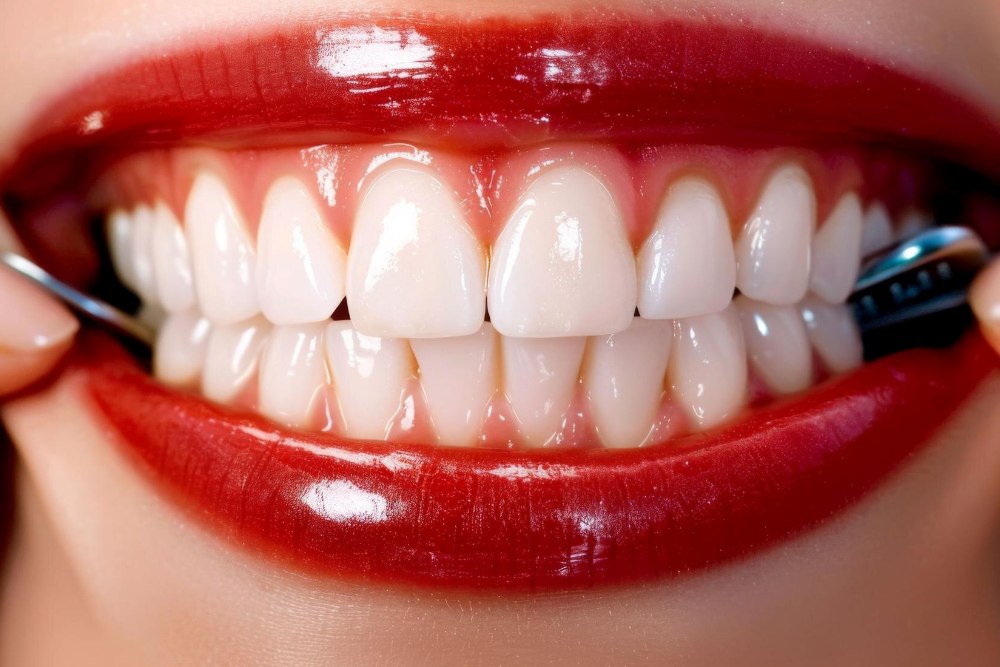
Dental shells crafted from high-grade ceramic or composite materials are bonded directly to the facial surface of natural teeth to enhance their shape, shade, and overall alignment. Unlike conventional full-coverage crowns, this procedure preserves the maximum amount of natural tooth structure, requiring only a microscopic layer of enamel removal ranging between 0.3 mm and 0.7 mm. Advanced dental bonding techniques ensure that the ceramic material integrates seamlessly with the underlying tooth, creating a durable and lifelike aesthetic result.
The translucent properties of modern dental ceramics closely mimic the natural light transmission of human tooth enamel. When light hits the surface of the restoration, it penetrates through the ceramic layer and reflects off the underlying dentin, creating a vibrant, natural depth that prevents the teeth from looking flat, opaque, or artificial.
Why Is Turkey a Leading Destination for Laminate Veneers?
Over the last decade, Turkey has become a leading international hub for dental tourism, attracting patients from the United Kingdom, Europe, North America, and the Middle East. Modern Turkish dental clinics are equipped with state-of-the-art diagnostic and manufacturing technologies, including 3D cone-beam computed tomography, intraoral digital scanners, and in-house CAD/CAM milling units that streamline the treatment workflow.
Beyond technology, cosmetic dentists in Turkey possess extensive clinical experience in comprehensive smile design, treating high volumes of complex international cases annually. When considering cosmetic dental treatments such as porcelain veneers in Turkey, patients benefit not only from technical precision and high clinical standards but also from VIP concierge services, multilingual patient coordinators, luxury hotel accommodations, and seamless airport transfers that make the entire medical journey stress-free.
How Much Do Laminate Veneers Cost in Turkey Compared to Other Countries?
Cost is often the primary motivator for international patients seeking dental care abroad. Due to lower operational expenses, favorable exchange rates, and competitive market dynamics, dental treatments in Turkey are available at a fraction of the prices quoted in Western European countries or the United States, without compromising clinical quality or material authenticity.
| Country | Average Cost Per Tooth | Full Smile Package (16-20 Teeth) | Included Services |
|---|---|---|---|
| Turkey | £150 – £250 | £3,000 – £4,800 | Consultation, 3D Scans, Hotel & VIP Transfers |
| United Kingdom | £650 – £1,200 | £11,000 – £20,000 | Treatment Only (Excluding Extras) |
| United States | $1,000 – $2,500 | $18,000 – $40,000 | Treatment Only (Excluding Scans) |
| Germany | €600 – €1,100 | €10,000 – €18,000 | Treatment Only |
| Australia | AU$1,200 – AU$2,200 | AU$19,000 – AU$35,000 | Treatment Only |
As demonstrated in the comparison table above, opting for laminate veneers abroad provides significant financial savings while maintaining access to internationally certified materials and expert cosmetic dentists.
What Is the Step-by-Step Procedure for Laminate Veneers in Turkey?
Initial Consultation and Digital Smile Design
The journey begins with comprehensive clinical photography, digital impressions, and facial analysis. Using Digital Smile Design (DSD) software, the dentist designs a customized smile simulation that complements the patient’s facial contours, lip line, and skin tone, allowing the patient to preview the final aesthetic outcome before physical preparation begins.
Micro-Preparation and Digital Impressions
During the clinical phase, local anesthesia is administered to ensure complete comfort while a minimal layer of enamel is prepared. High-precision intraoral digital scanners capture virtual 3D models of the prepared teeth, eliminating the discomfort of traditional impression trays and providing instant data to the master dental laboratory.
Laboratory Fabrication and Final Cementation
Master ceramists craft each individual shell using advanced multi-layered ceramics. Once fabricated, the restorations are tried in the mouth to evaluate fit, bite, and color harmony. Following the patient’s approval, the restorations are permanently bonded to the enamel using adhesive resin cements and light-curing technology.
Who Is the Ideal Candidate for Laminate Veneers?

- Severe Tooth Discoloration: Individuals with intrinsic dental stains caused by tetracycline use, fluorosis, or trauma that do not respond to conventional whitening treatments.
- Chipped or Fractured Teeth: Patients seeking to restore incisal edges and anatomical symmetry compromised by wear or minor accidents.
- Diastemas and Gaps: Individuals wishing to close unwanted spaces between anterior teeth without undergoing long orthodontic procedures.
- Minor Misalignments and Irregularities: Patients with slightly rotated or unevenly sized teeth looking for instantaneous visual harmony.
- Good Periodontal Health: Candidates must possess healthy gums and sufficient natural enamel to provide a secure foundation for bonding.
What Are the Key Differences Between E-Max and Laminate Veneers?
While discussing aesthetic dental options, patients frequently encounter different material classifications and wonder how brand-specific ceramics differ from traditional methods. Both terms refer to ultra-thin aesthetic restorations; however, emax veneers represent a specific, premium brand of lithium disilicate glass-ceramic renowned for its unmatched translucency, natural opalescence, and high flexural strength.
Lithium disilicate allows ceramists to produce exceptionally thin shells without sacrificing mechanical integrity. This structural strength makes it possible to preserve more of the patient’s natural enamel during preparation. While conventional laminate veneers can be manufactured from various feldspathic or composite materials, lithium disilicate glass-ceramics remain the global gold standard for anterior aesthetic smile design.
Laminate Veneers vs Crowns: Which Treatment Is Right for You?
Understanding the clinical differences between minimal-prep shells and full-coverage restorations is critical when planning smile rejuvenation. A veneer covers only the visible facial surface and incisal edge of the tooth, preserving up to 90% of the natural coronal tooth structure. In contrast, full crowns encase the entire 360-degree perimeter of the tooth, requiring significant circumferential reduction of the enamel and dentin.
When teeth suffer from severe structural damage, root canal treatments, or extensive decay, full-coverage zirconia crowns are often recommended to provide maximum structural reinforcement. However, for structurally sound anterior teeth with primarily aesthetic concerns, conservative laminate veneers are the ideal, tissue-preserving treatment of choice.
How Long Do Laminate Veneers Last on Average?
With proper clinical execution and consistent oral hygiene, high-quality ceramic restorations exhibit exceptional clinical longevity. Longitudinal dental studies indicate that bonded porcelain shells have a survival rate exceeding 95% over a 10-year period, with many restorations lasting 15 to 20 years or longer without significant degradation or debonding.
The long-term durability of laminate veneers relies heavily on the quality of the initial adhesive bonding protocol. Because the bond between dental resin cement and natural enamel is one of the strongest connections in restorative dentistry, preserving enamel during preparation ensures that the restorations remain firmly anchored for decades.
What Are the Advantages and Disadvantages of Laminate Veneers?
Key Advantages of Ceramic Restorations
The primary advantage of this treatment is its highly conservative nature, requiring minimal tooth reduction. Furthermore, high-grade dental ceramics are completely non-porous, making them permanently resistant to staining from coffee, tea, red wine, and tobacco, while remaining biocompatible with surrounding gingival tissues.
Potential Disadvantages and Considerations
Because the procedure involves irreversible enamel recontouring, the treatment cannot be undone once completed. Additionally, ceramic restorations can chip or dislodge if subjected to excessive non-masticatory forces, such as biting hard objects or unmanaged nocturnal teeth grinding.
Repairability and Maintenance Factors
If a ceramic shell suffers a significant fracture, it cannot be patched seamlessly in the mouth; the entire individual restoration must be safely removed and replaced with a newly fabricated unit by a dental laboratory.
How to Properly Care for Your Laminate Veneers After Treatment?
- Daily Flossing and Brushing: Brush twice daily with a non-abrasive fluoride toothpaste and a soft-bristled toothbrush, ensuring thorough cleaning along the gumline.
- Night Guard Usage: Wear a custom-fitted occlusal night guard if you have a history of nocturnal bruxism to protect the ceramic edges from heavy grinding forces.
- Avoid Biting Hard Objects: Never use restored anterior teeth to open packages, chew ice cubes, crack nuts, or bite fingernails.
- Routine Dental Check-ups: Schedule professional dental cleanings and clinical evaluations every six months to monitor marginal integrity and periodontal health.
- Maintain Gum Health: Use an antimicrobial mouthwash and interdental brushes to keep the gingival sulcus free from plaque and bacterial build-up.
Can Laminate Veneers Fix Crooked or Crowded Teeth?
Cosmetic veneers are frequently referred to as “instant orthodontics” because they can visually correct mild tooth crowding, minor rotations, and uneven spacing in just a few clinical visits. By altering the outward contour and facial dimension of the ceramic shells, a skilled cosmetic dentist can create the optical illusion of a perfectly aligned dental arch.
However, for patients with moderate to severe malocclusion, deep bites, or significant skeletal discrepancies, orthodontic treatment with clear aligners or traditional braces is required beforehand. Placing laminate veneers over severely misaligned teeth would necessitate excessive enamel removal, compromising the long-term biological vitality of the underlying tooth pulp.
Do Laminate Veneers Hurt During or After the Procedure?
The entire treatment process is virtually painless. During the preparation and impression stages, local anesthesia is administered to numb the treatment area completely, ensuring that the patient feels no pain or discomfort. Most patients report feeling only mild vibrational pressure from the dental handpiece during the appointment.
Following the cementation of laminate veneers, it is common to experience mild, temporary thermal sensitivity to hot and cold temperatures for a few days up to two weeks. This sensitivity is a normal pulpal response to preparation and adhesive bonding, and it subsides naturally as the tooth acclimates to the new restoration.
How Many Days Do You Need to Stay in Turkey for Treatment?
One of the major advantages of undergoing cosmetic dentistry in Turkey is the efficient turnaround time. A complete smile makeover typically requires a stay of only 5 to 7 days. This timeframe provides sufficient time for comprehensive diagnostic assessments, digital smile planning, tooth preparation, precision laboratory fabrication, and final bonding adjustments.
During the intermediate days while the master laboratory crafts the custom restorations, patients are fitted with temporary composite veneers, allowing them to eat comfortably and explore the cultural and historical attractions of Turkey without disruption.
Are Laminate Veneers in Turkey Safe and Regulated?
Strict Regulatory Oversight by Health Authorities
Dental clinics catering to international patients in Turkey are strictly licensed and audited by the Turkish Ministry of Health. Clinics must adhere to stringent international hygiene protocols, sterilization standards, and patient care guidelines to maintain their health tourism authorization certification.
Internationally Certified Dental Materials
Reputable dental centers in Turkey utilize exclusively FDA-approved and CE-marked medical ceramics sourced from leading global manufacturers in Germany, Switzerland, and the United States. Patients are routinely provided with official material certificates and authenticity cards upon treatment completion.
Specialized Cosmetic Dentists
Turkish cosmetic dentists undergo extensive five-year university training followed by specialized postgraduate education in prosthodontics and aesthetic dentistry, ensuring high clinical competency and adherence to global treatment protocols.
Why Do People Choose Laminate Veneers Over Composite Bonding?
- Superior Aesthetic Realism: Ceramic possesses a natural refractive index and vitreous luster that composite resins cannot replicate over the long term.
- Permanent Stain Resistance: Unlike composite resin, which is porous and absorbs dietary pigments over time, glazed ceramic surfaces never discolor.
- Higher Mechanical Strength: Laboratory-sintered ceramic materials offer substantially higher wear resistance and flexural strength than chairside composites.
- Longer Service Life: Ceramic restorations last 10 to 20 years on average, whereas composite bonding generally requires repolishing or replacement every 3 to 5 years.
- Biocompatibility with Gum Tissue: Glazed dental ceramics are exceptionally gentle on periodontal tissues, reducing the risk of localized gum inflammation.

Dr. Kıvanç Türkoğlu

Dr. Pınar Türkoğlu

Dr. Başak Topuzoğlu

Dr. Lebriz Yalçın Gürhan

Dr. Sinem Kösem Mihmar

Dr. Dt. Gürcan Çetin