 TR
TR  EN
EN  DE
DE 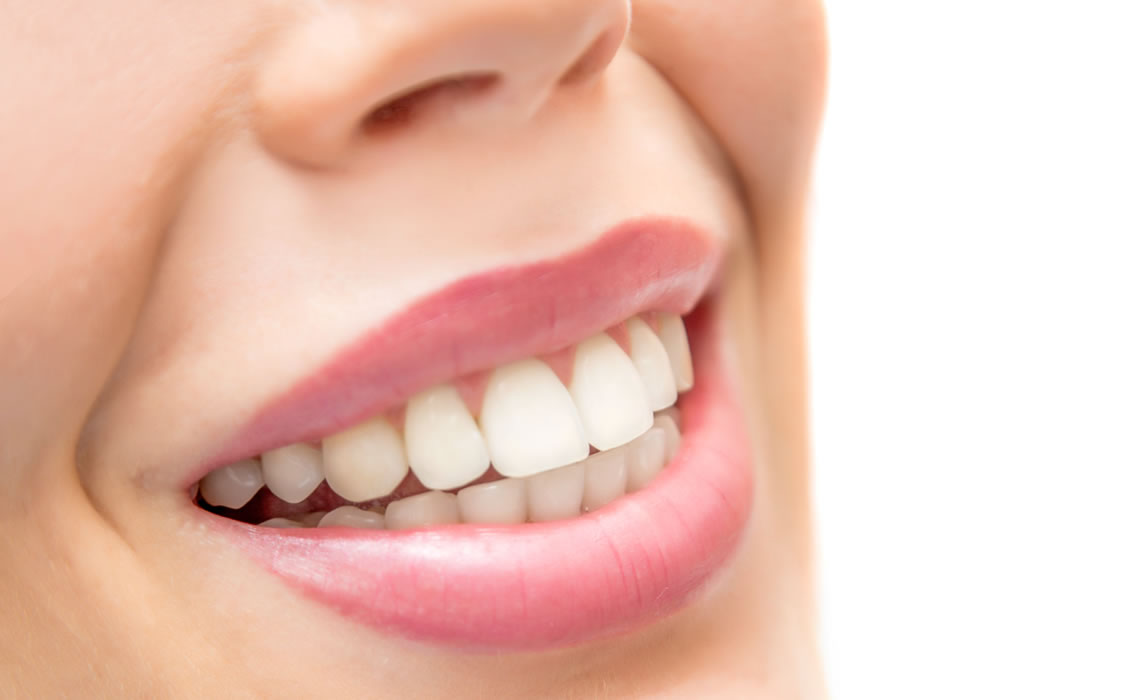
Cosmetic dentistry has undergone revolutionary advancements over the past decade, providing patients worldwide with durable, lifelike, and tissue-preserving smile enhancement options. Among the broad spectrum of dental restorations, emax veneers represent the pinnacle of modern aesthetic dentistry, recognized globally for their superior translucency, natural light reflection, and remarkable mechanical durability. International patients seeking premium cosmetic makeovers regularly choose Turkey as their primary destination for dental tourism. Combining cutting-edge dental laboratories, highly skilled cosmetic dentists, and all-inclusive travel packages, Turkish dental clinics deliver custom smile transformations that adhere to strict international healthcare standards at accessible price points.
What Are Emax Veneers and What Makes Them Superior?
These advanced restorations are crafted from a single monolithic block of lithium disilicate glass-ceramic, a proprietary biomaterial renowned for combining mechanical resilience with natural optical depth. With a flexural strength reaching approximately 500 MPa, lithium disilicate outperforms traditional feldspathic porcelains while allowing master ceramists to manufacture ultra-thin shells measuring between 0.3 mm and 0.5 mm in thickness.
The internal crystalline microstructure of the ceramic transmits, scatters, and reflects light in the exact same manner as natural human tooth enamel. When bonded to the outer enamel surface, the restoration captures the warmth of the underlying dentin, preventing the chalky, monochromatic, or unnatural appearance seen in low-grade ceramic alternatives. This optical harmony ensures that the restored teeth blend seamlessly with adjacent natural dentition.
Why Has Turkey Become a Global Hub for Emax Veneers?
Over the past decade, Turkey has established itself as an elite international center for aesthetic dentistry and medical travel. Dental clinics across Istanbul, Antalya, and Izmir are furnished with world-class digital equipment, including 3D cone-beam computed tomography (CBCT), high-speed intraoral digital scanners, and integrated CAD/CAM milling robotics that optimize treatment precision.
Turkish cosmetic clinicians manage high volumes of complex smile design cases annually, giving them refined aesthetic expertise and clinical dexterity. Patients who seek specialized porcelain veneer treatment benefit from an integrated workflow that includes personalized multilingual patient care, luxury hotel arrangements, and private airport transfers, creating an efficient and comfortable medical travel experience.
How Much Do Emax Veneers Cost in Turkey Compared to the UK and USA?
The significant price disparity between Turkey and Western nations is a major reason international patients travel abroad for smile makeovers. Lower operational costs, reduced laboratory expenses, and favorable exchange rates allow Turkish clinics to provide genuine, certified lithium disilicate restorations at 60% to 75% less than UK or US prices without compromising material authenticity.
| Country | Average Price Per Tooth | Full Set Package (16-20 Teeth) | Standard Package Inclusions |
|---|---|---|---|
| Turkey | £180 – £280 / $250 – $380 | £3,500 – £5,400 / $4,500 – $7,000 | 3D Scans, Diagnostics, Hotel & VIP Transfers |
| United Kingdom | £750 – £1,400 | £12,000 – £24,000 | Clinical Procedure Only (Extras Excluded) |
| United States | $1,200 – $2,600 | $20,000 – $45,000 | Clinical Procedure Only (Scans Excluded) |
| Germany | €700 – €1,300 | €11,000 – €22,000 | Clinical Procedure Only |
| Australia | AU$1,300 – AU$2,500 | AU$21,000 – AU$40,000 | Clinical Procedure Only |
As demonstrated in the comparison table, receiving emax veneers in Turkey allows patients to access genuine Ivoclar Vivadent lithium disilicate materials alongside complete hospitality services at a fraction of Western rates.
What Is the Step-by-Step Procedure for Emax Veneers in Turkey?
Digital Smile Design and Clinical Consultation
The journey begins with high-resolution clinical photography, 3D intraoral optical scanning, and facial aesthetic analysis. Using Digital Smile Design (DSD) software, the clinician designs a customized smile blueprint tailored to the patient’s lip dynamics, facial symmetry, and skin undertones, allowing the patient to preview and approve the aesthetic simulation before preparation begins.
Micro-Preparation and Digital Impressions
Under local anesthesia, the cosmetic dentist carries out minimal enamel recontouring, shaving away a conservative 0.3 mm to 0.6 mm of outer enamel. High-precision 3D intraoral digital scanners capture virtual impressions of the prepared surfaces, transmitting optical data straight to the milling laboratory without traditional impression trays.
Laboratory Fabrication and Final Adhesive Cementation
Master ceramists mill the individual restorations using 5-axis CAD/CAM units, followed by custom hand-layering and glazing to achieve anatomical characterization. After a try-in session to evaluate shade, bite, and marginal fit, the restorations are permanently bonded onto the enamel using light-cured adhesive resin cements.
Who Is the Ideal Candidate for Emax Veneers?
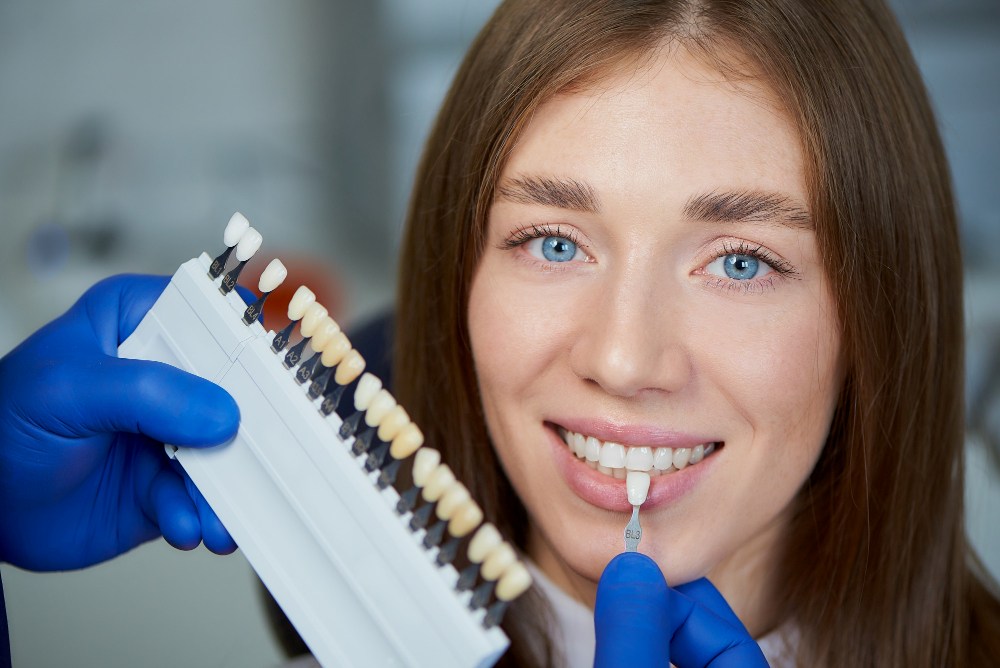
- Severe Intrinsic Tooth Staining: Individuals with deep tetracycline discoloration, dental fluorosis, or internal aging stains that do not respond to professional chemical whitening.
- Chipped or Fractured Enamel: Patients looking to restore anatomical tooth contours and incisal edge symmetry compromised by minor trauma.
- Diastemas and Gaps: Individuals seeking to close unwanted spaces between anterior teeth without undergoing years of orthodontic treatment.
- Mild Crowding or Irregularities: People with slightly rotated or unevenly sized front teeth desiring rapid aesthetic alignment.
- Adequate Enamel and Gum Health: Candidates who possess stable periodontal tissues, healthy alveolar bone, and sufficient enamel thickness for adhesive bonding.
What Are the Key Differences Between Emax and Laminate Veneers?
Patients researching aesthetic dental procedures frequently encounter overlapping clinical terms. In standard dental terminology, laminate veneers represent the broader descriptive category of ultra-thin, custom-made facings bonded to the facial surfaces of teeth to correct cosmetic imperfections.
E-Max, on the other hand, refers to a specific, patented lithium disilicate glass-ceramic material within that restorative classification. While general ceramic facings can be made from composite resins or feldspathic porcelain powders, emax veneers offer significantly higher flexural strength, superior edge stability, and chip resistance. This material allows clinicians to preserve more natural enamel during preparation while achieving optimal translucency and lifelike aesthetics.
Emax Veneers vs Zirconia Crowns: Which Treatment Should You Choose?
The choice between conservative ceramic facings and full-coverage crowns depends on the remaining volume and biological health of the existing natural tooth structure. A veneer is a conservative restoration covering only the facial surface and incisal edge, preserving up to 85% to 90% of the natural enamel. This makes it the premier choice for structurally sound teeth that require cosmetic rejuvenation.
Conversely, when a tooth has undergone previous root canal treatment, contains extensive restorative fillings, or has lost substantial coronal wall structure, a full-coverage restoration is necessary to protect against fracture. In these clinical cases, high-strength zirconia crowns in Turkey provide 360-degree mechanical reinforcement to withstand heavy occlusal loads while delivering an attractive appearance.
How Long Do Emax Veneers Last on Average?
Longitudinal dental studies and restorative data demonstrate that lithium disilicate restorations maintain an exceptional clinical survival rate exceeding 95% over a 10 to 15-year evaluation period. With consistent oral hygiene and routine checkups, many patients retain their original restorations for 20 years or longer without debonding or structural fractures.
The longevity of emax veneers is directly tied to the presence of intact enamel at the adhesive interface. Light-cured resin cements create a durable micromechanical and chemical bond with etched enamel that is significantly stronger than bonding to underlying dentin. Avoiding non-functional biting habits and managing nocturnal teeth grinding further protect the restorations from mechanical failure.
What Are the Advantages and Disadvantages of Emax Veneers?
Outstanding Cosmetic and Biocompatible Advantages
Lithium disilicate provides unmatched aesthetic realism by replicating the natural translucency, light absorption, and surface luster of biological teeth. Because glazed glass-ceramics are non-porous, they are permanently immune to staining from coffee, tea, red wine, and smoking, while maintaining high biocompatibility with surrounding gingival tissues.
Irreversible Enamel Recontouring
Because placing conventional ceramic shells requires minimal recontouring of the outermost enamel layer, the procedure is irreversible. Once enamel has been removed, the tooth will always require a protective restoration throughout the patient’s life.
Mechanical and Occlusal Limitations
Although lithium disilicate possesses high flexural strength, it remains susceptible to concentrated shearing forces. Patients must avoid using anterior teeth to crack hard items, chew ice, or tear open packaging to prevent accidental chipping along the incisal edges.
How Should You Care for Your Emax Veneers After Placement?
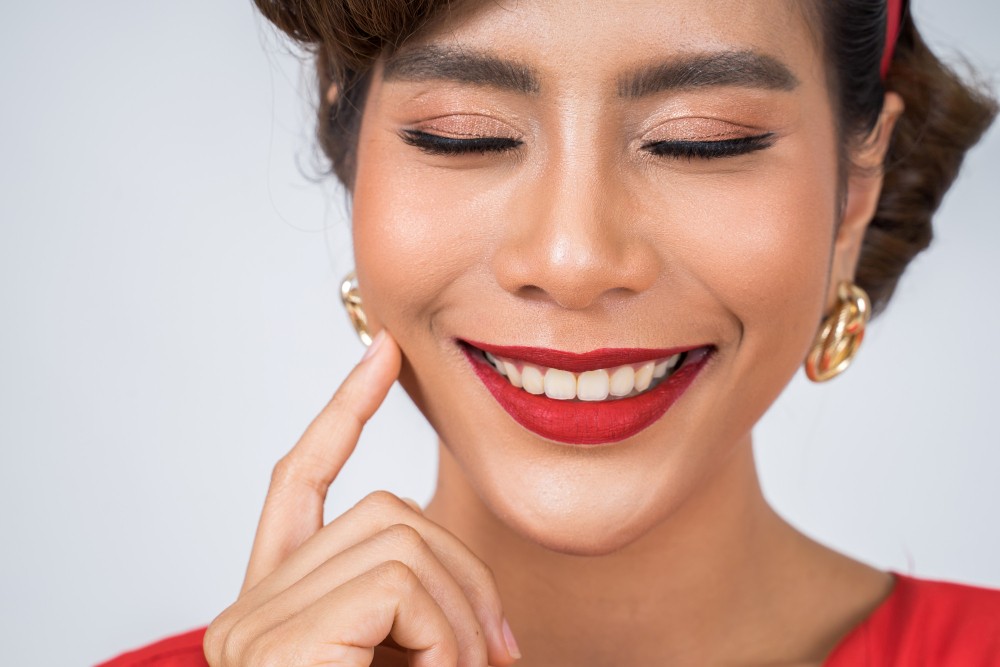
- Maintain Thorough Oral Hygiene: Brush twice daily with a non-abrasive fluoride toothpaste and soft-bristled toothbrush, flossing daily around the ceramic margins.
- Wear an Occlusal Night Guard: Protect your ceramic restorations from nocturnal bruxism and clenching by wearing a custom-fitted night guard while sleeping.
- Avoid Destructive Mechanical Habits: Never use restored front teeth to bite fingernails, chew pens, crunch ice cubes, or tear plastic wrappers.
- Attend Bi-Annual Dental Cleanings: Visit your dental professional every six months for routine scaling, polishing, and marginal seal evaluations.
- Support Gum Health: Use interdental brushes and antibacterial oral rinses to keep the cervical margins free from plaque accumulation.
Can Emax Veneers Fix Crooked or Misaligned Teeth?
Cosmetic ceramic facings are often referred to as instant orthodontics because they can correct mild dental rotations, minor crowding, and irregular tooth spacing within a single week. By adjusting the thickness and surface profile of individual restorations, the cosmetic dentist creates the visual appearance of an aligned and symmetrical dental arch.
However, emax veneers cannot replace comprehensive orthodontic therapy in cases of severe dental malocclusion, deep crossbites, or extreme crowding. Attempting to mask severe misalignment solely with ceramic shells would require aggressive, biologically destructive enamel removal that risks exposing the dental pulp. In such scenarios, clear aligners should be utilized prior to restorative bonding.
Does the Procedure for Emax Veneers Hurt?
The clinical preparation and bonding process is virtually painless. Dental clinicians administer local anesthesia to numb the operative site completely, ensuring patients remain comfortable throughout the enamel contouring stage. Most individuals report feeling only minor vibrational sensations and light pressure from the handpieces.
Following final cementation, patients may experience mild, transient thermal sensitivity to hot and cold foods for several days up to two weeks. This temporary sensitivity is a natural physiological reaction of the dental pulp to adhesive conditioning and resolves spontaneously as the tooth structure adapts to the new restoration.
How Many Days Do You Need to Stay in Turkey for Treatment?
A complete smile makeover with emax veneers in Turkey typically requires a stay of 5 to 7 calendar days. This streamlined timeframe accommodates comprehensive digital smile planning, tooth preparation, precision CAD/CAM milling, custom hand-glazing, and final adhesive cementation.
During the intermediate days while the laboratory crafts the final restorations, patients wear aesthetic temporary veneers that protect the prepared teeth and maintain everyday function, allowing them to relax and explore the historic and scenic attractions of Turkey comfortably.
Are Dental Clinics and Materials in Turkey Safe and Regulated?
Ministry of Health Accreditation
Dental clinics providing care to international patients in Turkey operate under strict oversight from the Turkish Ministry of Health. Clinics must adhere to rigorous European sterilization protocols, maintain advanced emergency medical infrastructure, and hold official Health Tourism Authorization Certificates to practice legally.
Authentic Certified Ceramic Brands
Reputable Turkish clinics work exclusively with FDA-approved, CE-certified lithium disilicate ceramics sourced from leading global manufacturers such as Ivoclar Vivadent. Patients are provided with official material passports and authenticity certificates detailing the exact brand, shade code, and serial numbers upon completion.
Specialized Prosthodontic Clinicians
Cosmetic procedures in Turkey are conducted by experienced clinicians who have completed five years of dental school followed by specialized postgraduate doctoral programs in prosthodontics and aesthetic restorative dentistry.
Why Do Patients Choose Emax Veneers Over Composite Bonding?
- Superior Aesthetic Translucency: Lithium disilicate replicates the natural light refraction and multi-dimensional depth of natural enamel far better than resin composites.
- Permanent Resistance to Stains: Glazed ceramic surfaces never discolour, whereas porous composite resins absorb dietary pigments over time.
- Greater Mechanical Durability: Sintered glass-ceramics offer significantly higher wear resistance and flexural strength than chairside composite resins.
- Extended Clinical Lifespan: Premium ceramic restorations last 10 to 20 years on average, whereas composite bonding generally requires repolishing or replacement every 3 to 5 years.
- Biocompatibility with Gum Tissues: Highly polished ceramic surfaces resist plaque accumulation, minimizing the risk of localized periodontal irritation.

Dr. Kıvanç Türkoğlu

Dr. Pınar Türkoğlu

Dr. Başak Topuzoğlu

Dr. Lebriz Yalçın Gürhan

Dr. Sinem Kösem Mihmar

Dr. Dt. Gürcan Çetin